Yes, you can put vinegar in a steam cleaner for sanitizing, but only with significant considerations and crucial precautions. White vinegar, primarily composed of acetic acid, offers natural disinfection, odor neutralization, and grease-cutting benefits. However, its acidity can corrode internal metal parts, rubber seals, and hoses over time, potentially voiding your appliance’s warranty and damaging surfaces like natural stone, unsealed wood, and stainless steel. Always consult your steam cleaner’s manual first, and if permitted, use a heavily diluted solution of clear white vinegar and distilled water.
What is a Steam Cleaner?
A steam cleaner is an appliance that uses heat to boil water, producing high-temperature steam expelled onto surfaces through a nozzle or pad. This superheated steam penetrates dirt, grease, and grime, effectively loosening them for easy wiping. Unlike traditional cleaning methods that rely on detergents, steam cleaning often requires only water, making it an attractive option for those seeking an eco-friendly and chemical-free approach to home hygiene. The intense heat of the steam alone is capable of killing a significant percentage of bacteria, viruses, mold, and dust mites, providing a powerful sanitizing effect without harsh chemicals. However, compared to conventional cleaning, steam cleaners might require multiple passes or a slower pace for very stubborn stains.
Types of Steam Cleaners
Steam cleaners come in various forms, each designed for specific cleaning tasks, yet all share the core principle of using heated water to create steam. Understanding these types can help you determine the suitability of using additives like vinegar.
- Handheld Steam Cleaners: These compact and lightweight units are ideal for spot cleaning, sanitizing small areas like bathroom fixtures, kitchen counters, grout lines, and car interiors. Their portability makes them convenient for quick clean-ups.
- Steam Mops: Primarily designed for hard floor surfaces such as tile, sealed hardwood, and laminate, steam mops offer an easy way to clean and sanitize large floor areas. They are usually upright and have a flat mop head.
- Canister/Multipurpose Steam Cleaners: These are the most versatile, featuring a separate water tank (canister) connected by a hose to various attachments like brushes, squeegees, and jet nozzles. They can tackle a wide range of tasks, from floors and upholstery to windows and ovens.
- Industrial Steam Cleaners: Larger and more powerful, these machines are built for heavy-duty commercial or industrial applications, handling extensive cleaning and sanitization needs over vast areas.
Regardless of the type, the fundamental operation remains consistent: water is heated to generate steam, which is then directed onto the cleaning surface. For most models, manufacturers recommend using only distilled water to prevent mineral buildup.
Can You Use Vinegar in a Steam Cleaner? Benefits and Risks
The idea of adding white vinegar to a steam cleaner for enhanced sanitization is popular due to vinegar’s well-known cleaning properties. However, this practice comes with both notable advantages and significant potential drawbacks for your appliance and home surfaces.
Benefits of Using Vinegar
|
Our Picks for the Best Steam Cleaner in 2026
As an Amazon Associate I earn from qualifying purchases.
|
||
| Num | Product | Action |
|---|---|---|
| 1 | Steam Cleaner, Powerful Multi-Purpose Portable Steam Cleaner, Removes Dirt and Grease, Suitable for Multiple Uses and Various Floor Surfaces, Includes 23-Piece Accessory Kit, 16.4-Foot Power Cord |

|
| 2 | Wagner Spraytech C900054 905e AutoRight Multi-Purpose Steam Cleaner, 12 Accessories Included, Power Steamer for cleaning, Color May Vary |
|
| 3 | Steam Cleaner, Steam Cleaner For Home, Handheld Steamer For Cleaning With 21 Accessories, 248 °F High Temperature, Suitable for Grout, Floor. Sofas, Upholstery, White |
|
| 4 | Heavy Duty Steam Cleaner, 1500W High-Temperature Mop with 26 Accessories, 1.4L Portable Tank, Chemical-Free Cleaning for Floors, Tiles, Cars & More, Child Lock for Safety, Easy Operation |
|
| 5 | McCulloch MC1385 Deluxe Canister Steam Cleaner, 2-Hour Runtime, Chemical-Free, 23 Accessories: Mop Head, Brushes & More - Built for Home, Tile, Carpet, Furniture, & Personal Car Detailing |
|
| 6 | Amazon Basics Multipurpose Steam Cleaner for Home with 22 Accessories, Chemical-Free Cleaning, 51oz tank, 1500W, White |
|
| 7 | TVD Steam Cleaner, Steamer for Cleaning with 26 Accessories, Steam Cleaner for Home with 5M Extra-Long Power Cord for Home Floor Cleaning, Tile Detailing, Grout, Upholstery. |
|
| 8 | LABIGO 10-in-1 Steam Mop with Detachable Handheld Steamer, 350ml Tank, 10s Heat-Up, 248°F Steam Cleaner, 3-Level Control and Swivel Head for Floors, Carpets, Tiles, BBQ grill Multi-Surface Clean White |
|
| 9 | Steam Cleaner, Portable Steamer for Cleaning with 16pcs Accessories, 6-Level Adjustable, 15s Heat-Up, Handheld Steam Cleaner for Home for Tile, Grease, Dirt, Grout, Car Detailing, Green |
|
| 10 | Heavy-Duty Steam Cleaner - 1500W Multipurpose Handheld Floor Steamer with 22 Accessories 16ft Cord for Home, Car Detailing, Tile, Grout, Carpet, Wallpaper, Upholstery, Window, Deep Cleaning |
|
White vinegar, primarily composed of acetic acid, is celebrated as a natural cleaning powerhouse. When used cautiously in a steam cleaner, it can offer several benefits:
- Natural Disinfection and Antimicrobial Properties: Vinegar contains acetic acid, which has antimicrobial properties that can help inhibit the growth of bacteria, germs, mold, and mildew. While steam itself sanitizes, vinegar can augment this effect, particularly on porous surfaces where steam might not penetrate as deeply.
- Effective Greaser and Grime Cutter: Vinegar is highly effective at dissolving soap scum, hard water stains, and cutting through greasy buildup, leaving surfaces sparkling clean.
- Odor Neutralization: Its acidic nature helps to neutralize unpleasant odors, leaving a fresh, clean scent, unlike many chemical cleaners that merely mask smells.
- Eco-Friendly and Cost-Effective: As a natural, non-toxic, and biodegradable product, vinegar is an environmentally conscious and inexpensive alternative to commercial cleaning agents.
- Descaling the Machine: Beyond cleaning surfaces, a diluted vinegar solution can be used periodically to descale the internal components of the steam cleaner itself, removing mineral buildup from hard water and improving its efficiency.
Risks and Potential Damage
Despite its benefits, using vinegar in a steam cleaner is not without risks. Its acidic nature can be detrimental if not used correctly or on unsuitable surfaces:
- Damage to the Steam Cleaner: The acidity of vinegar can potentially corrode internal metal parts, rubber seals, and hoses over time, especially if used undiluted or frequently. This corrosion can lead to leaks, malfunctions, and significantly shorten the lifespan of your appliance. Unfiltered vinegar can also leave particles that clog steam vents, reducing efficiency.
- Voiding Warranty: Many steam cleaner manufacturers explicitly state that using anything other than distilled water in the reservoir will void the product warranty. Always check your manual first.
- Damage to Surfaces:
- Natural Stone: Vinegar should never be used on natural stone surfaces like marble, granite, travertine, or limestone. Its acidity can etch, dull, and permanently damage these porous materials.
- Unsealed Hardwood Floors and Delicate Finishes: On unsealed wood, vinegar can strip protective finishes, causing dullness, swelling, or warping. Certain types of grout or delicate tile glazes may also be negatively affected.
- Stainless Steel: Vinegar can leave streaks, discoloration, or even permanent marks on stainless steel appliances.
- Luxe Upholstery: Heat from a steam cleaner combined with moisture (and vinegar) is not recommended for delicate fabrics like linen, cotton blends, or velvet. It can cause shrinkage, and moisture trapped in padding can lead to mold and musty odors.
> “While vinegar is a fantastic natural cleaner, its acidic properties mean it’s not a one-size-fits-all solution for all surfaces or appliances. Always proceed with caution and research.” – Dr. Sarah Miller, Environmental Cleaning Specialist
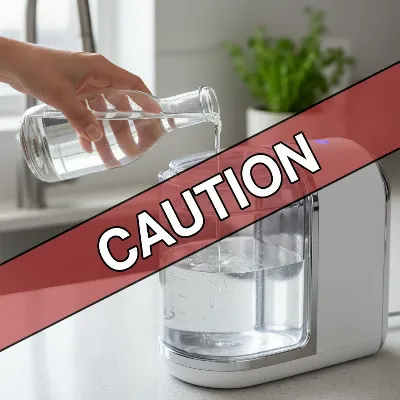 A person cautiously pouring diluted vinegar into a steam cleaner reservoir, with a warning label overlayed
How to Safely Use Vinegar in a Steam Cleaner (If Recommended)
If your steam cleaner’s manufacturer’s manual explicitly permits the use of additives and you wish to leverage vinegar’s cleaning power, extreme caution and adherence to specific guidelines are paramount.
Crucial First Step: Consult Your Manual
Before introducing any substance other than water into your steam cleaner, always consult your appliance’s user manual and manufacturer’s guidelines. Some brands specifically warn against using any additives, including vinegar, due to the risk of damage or voiding the warranty. If the manual prohibits it, stick to distilled water for cleaning and sanitizing.
Dilution is Key
Never use undiluted vinegar in your steam cleaner. A common and generally recommended dilution ratio is 1:1 (equal parts white vinegar and water). Some sources suggest a ratio of 1 part vinegar to 3 parts water for general cleaning. This dilution helps mitigate the acidic effects on internal components and surfaces.
Use Clear, Filtered White Vinegar
Only use clear, filtered white vinegar. Apple cider vinegar or other types may contain particles that can clog the steam cleaner’s internal mechanisms, and their color could potentially stain some surfaces.
Use Distilled Water
Even when diluting with vinegar, it’s best to use distilled water. Distilled water is free of minerals, which prevents limescale buildup in your machine, a common cause of reduced efficiency and damage. This is especially important if your tap water is hard.
Pre-Test on an Inconspicuous Area
Before cleaning an entire surface, always test your diluted vinegar solution on a small, hidden area. This allows you to check for any adverse reactions like discoloration, etching, or damage to the finish.
Ensure Proper Ventilation
When using vinegar, even diluted, ensure the area is well-ventilated. While non-toxic, concentrated vinegar fumes can be irritating to some individuals.
Rinse After Cleaning
After cleaning with a vinegar solution, it’s a good practice to go over the area again with plain water (or a steam cleaner filled only with distilled water) to rinse away any residual vinegar smell or film.
Using Vinegar for Descaling Your Machine
Vinegar is a powerful descaling agent. If your steam cleaner is experiencing mineral buildup from hard water, you can use a diluted vinegar solution (e.g., 1:1 vinegar to water) to clean the machine itself. Follow manufacturer instructions for descaling, which typically involves running the solution through the system, letting it sit, and then flushing thoroughly with distilled water until no vinegar smell remains. This should be done periodically, not for every cleaning task.
When NOT to Use Vinegar in a Steam Cleaner
Understanding when not to use vinegar in your steam cleaner is as critical as knowing how to use it safely. Misapplication can lead to irreversible damage to your property and appliance.
- Natural Stone Surfaces: Avoid using vinegar on marble, granite, limestone, or any other natural stone. The acetic acid will etch the surface, creating dull spots and compromising the stone’s integrity and appearance.
- Unsealed Wood or Delicate Finishes: Vinegar can strip waxes, sealants, and finishes from unsealed wood floors, furniture, and certain delicate laminates, leading to dullness, discoloration, or even warping.
- Stainless Steel Appliances: The acidity of vinegar can cause streaking, spotting, or discoloration on stainless steel, making it look worse than before.
- Luxe Upholstery and Delicate Fabrics: For fabrics like silk, velvet, linen, or any material with internal padding, the combination of heat and moisture, even with diluted vinegar, can cause shrinkage, water stains, and create an environment for mold and mildew growth within the padding.
- If the Manufacturer Forbids It: This cannot be stressed enough. If your steam cleaner’s instruction manual explicitly states that no cleaning solutions or additives should be used, do not use vinegar. Disregarding this can lead to machine damage and void your warranty.
- For Machines Not Designed for Additives: Some steam cleaners are engineered to operate solely with water, and their internal components are not acid-resistant. Introducing vinegar into such machines risks corrosion and premature failure of parts.
Using only steam is often sufficient for sanitization, as the high temperature is the primary germ-killing agent. When in doubt, always err on the side of caution.
Top Tips for Effective and Safe Steam Cleaning
Achieving a sparkling and sanitized home with your steam cleaner involves more than just filling the tank and pressing a button. Adhering to best practices ensures both safety and longevity for your appliance and surfaces.
- Prioritize Manufacturer Instructions: Your steam cleaner’s manual is your most reliable guide. It contains specific recommendations for operation, maintenance, and whether any additives, including vinegar, are permissible. Deviating from these guidelines can void your warranty and damage the machine.
- Always Use Distilled Water for Cleaning: To prevent mineral buildup (limescale) in your steam cleaner’s boiler and internal components, always use distilled water. Tap water, especially hard water, can leave deposits that reduce efficiency and lifespan over time.
- Trust the Power of Steam for Sanitization: Remember that the primary sanitizing agent in a steam cleaner is the high temperature of the steam itself. Steam often reaches temperatures above 212°F (100°C), which is sufficient to kill most bacteria, viruses, and mold spores without the need for additional chemicals.
- Consider Commercial Solutions (If Allowed): If your manufacturer permits and you feel plain steam isn’t enough for a specific task (e.g., tough stains), opt for commercial steam cleaner solutions explicitly designed for your machine. These are formulated to be compatible with internal components and less likely to cause damage.
- Add Essential Oils to Mop Pads, Not Water Tanks: If you desire a fresh scent while cleaning, add a few drops of essential oil (like lemon or lavender) directly to the steam cleaner’s mop pad or cleaning cloth, not into the water reservoir. This provides fragrance without risking damage or clogging the machine.
- Regular Maintenance is Crucial: Periodically descale your steam cleaner, especially if you occasionally use tap water or live in a hard water area. A diluted white vinegar solution can be used for this purpose, following your manual’s descaling instructions. This prevents mineral buildup and maintains optimal performance.
- Prepare Surfaces: Before steam cleaning, vacuum or sweep the area to remove loose dirt and debris. This allows the steam cleaner to focus on deep cleaning and sanitizing, preventing mud streaks.
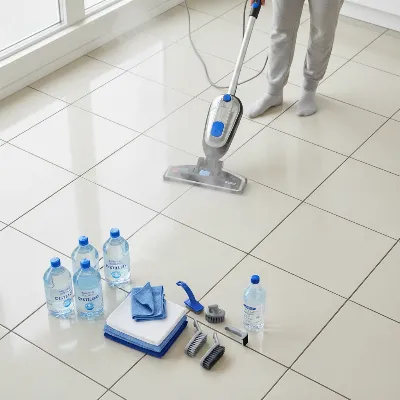 A person using a steam mop on a tiled floor, with various cleaning accessories and distilled water bottles nearby
Conclusion
Using vinegar in a steam cleaner for sanitization is a practice that requires a balanced understanding of its benefits and potential risks. While white vinegar offers natural disinfecting, deodorizing, and grease-cutting properties, its acidic nature can be detrimental to your appliance’s internal components and certain delicate home surfaces. The most critical takeaway is to always consult your steam cleaner’s manufacturer manual before introducing any additives. Many manufacturers recommend sticking solely to distilled water, relying on the steam’s inherent high temperature for effective sanitization.
If your manual permits vinegar, ensure you use a heavily diluted, clear white vinegar solution with distilled water, pre-test on inconspicuous areas, and never apply it to natural stone, unsealed wood, or delicate fabrics. Ultimately, an informed approach, prioritizing manufacturer guidelines and the power of pure steam, will lead to a truly clean, healthy home and extend the life of your valuable cleaning appliance. What are your biggest concerns when choosing a sanitizing method for your home?
Frequently Asked Questions
Is vinegar a true disinfectant in a steam cleaner?
While vinegar’s acetic acid has antimicrobial properties that can kill some bacteria and germs, it is generally considered a sanitizer rather than a broad-spectrum disinfectant, especially when diluted. The primary disinfecting power in a steam cleaner comes from the high temperature of the steam itself, which effectively kills most pathogens.
Can I use apple cider vinegar instead of white vinegar?
It is not recommended to use apple cider vinegar. Always opt for clear, filtered white vinegar. Apple cider vinegar can contain impurities or sediments that could clog the internal mechanisms of your steam cleaner, and its color might leave stains on certain surfaces.
What if my steam cleaner manual says no additives?
If your steam cleaner’s manual explicitly states that no cleaning solutions or additives should be used, it is crucial to follow this instruction. Using vinegar or other substances against manufacturer recommendations can damage the appliance, potentially void your warranty, and lead to costly repairs. In such cases, rely solely on distilled water for cleaning and sanitizing.
How often should I descale my steam cleaner with vinegar?
The frequency of descaling with vinegar depends on your water hardness and how often you use the steam cleaner. If you use tap water regularly or live in an area with very hard water, descaling might be needed monthly. If you exclusively use distilled water, descaling may only be necessary every few months or as recommended by your manufacturer.
Frequently Asked Questions
Is vinegar a true disinfectant when used in a steam cleaner?
While vinegar's acetic acid has antimicrobial properties, it is generally considered a sanitizer rather than a broad-spectrum disinfectant, especially when diluted. The primary disinfecting power in a steam cleaner comes from the high temperature of the steam itself, which effectively kills most pathogens.
Can apple cider vinegar be used in a steam cleaner instead of white vinegar?
No, it is not recommended to use apple cider vinegar in a steam cleaner. Always opt for clear, filtered white vinegar because apple cider vinegar can contain impurities or sediments that could clog the internal mechanisms of your steam cleaner, and its color might leave stains on certain surfaces.
What should I do if my steam cleaner manual prohibits additives?
If your steam cleaner's manual explicitly states that no cleaning solutions or additives should be used, it is crucial to follow this instruction. Using vinegar or other substances against manufacturer recommendations can damage the appliance, potentially void your warranty, and lead to costly repairs. In such cases, rely solely on distilled water for cleaning and sanitizing.
How frequently should I descale my steam cleaner using vinegar?
The frequency of descaling with vinegar depends on your water hardness and how often you use the steam cleaner. If you use tap water regularly or live in an area with very hard water, descaling might be needed monthly. If you exclusively use distilled water, descaling may only be necessary every few months or as recommended by your manufacturer.
What surfaces should never be cleaned with vinegar in a steam cleaner?
Never use vinegar in a steam cleaner on natural stone surfaces like marble or granite, unsealed wood, delicate finishes, stainless steel appliances, or luxe upholstery. The acidity can cause etching, dullness, discoloration, or even permanent damage to these materials.
How to Safely Use Vinegar in a Steam Cleaner
Safely incorporate white vinegar into your steam cleaning routine for enhanced sanitization, while protecting your appliance and surfaces.
Before adding any substance other than water, always check your steam cleaner's user manual. Many manufacturers explicitly prohibit additives like vinegar, which could void your warranty or damage the machine. If prohibited, use only distilled water.
Never use undiluted vinegar. A common and generally recommended dilution ratio is 1:1 (equal parts clear white vinegar and distilled water). For general cleaning, some sources suggest 1 part vinegar to 3 parts water to mitigate acidic effects.
Before cleaning an entire surface, always test your diluted vinegar solution on a small, hidden area. This allows you to check for any adverse reactions like discoloration, etching, or damage to the finish, ensuring surface compatibility.
When using vinegar, even diluted, ensure the cleaning area is well-ventilated. While non-toxic, concentrated vinegar fumes can be irritating to some individuals, so good airflow is important for comfort and safety.
After cleaning with a vinegar solution, it's good practice to go over the area again with plain water (or a steam cleaner filled only with distilled water). This helps to rinse away any residual vinegar smell or film, leaving surfaces truly clean.

I appreciated the detailed breakdown of how acetic acid works for disinfection. I used a diluted white vinegar solution on my bathroom tiles, and it really cut through the soap scum without much effort. I was careful to avoid my natural stone countertop, as advised, and everything looks great. It’s a good natural alternative to harsh chemicals.
I’ve been using a steam cleaner for years, but I was always hesitant about adding anything to the water. After reading about the benefits of white vinegar for sanitizing, I decided to try a very diluted solution as suggested. My kitchen floor has never felt cleaner, and the lingering pet odors are completely gone! Just make sure to check your manual first, like it says.
I tried the vinegar trick in my handheld steam cleaner, and while it did a decent job on some greasy spots, I’m a bit worried about the long-term effects on the rubber seals. The post mentioned corrosion risks, and I definitely don’t want to void my warranty. I think I’ll stick to just distilled water for most uses, maybe only using vinegar for really tough jobs.