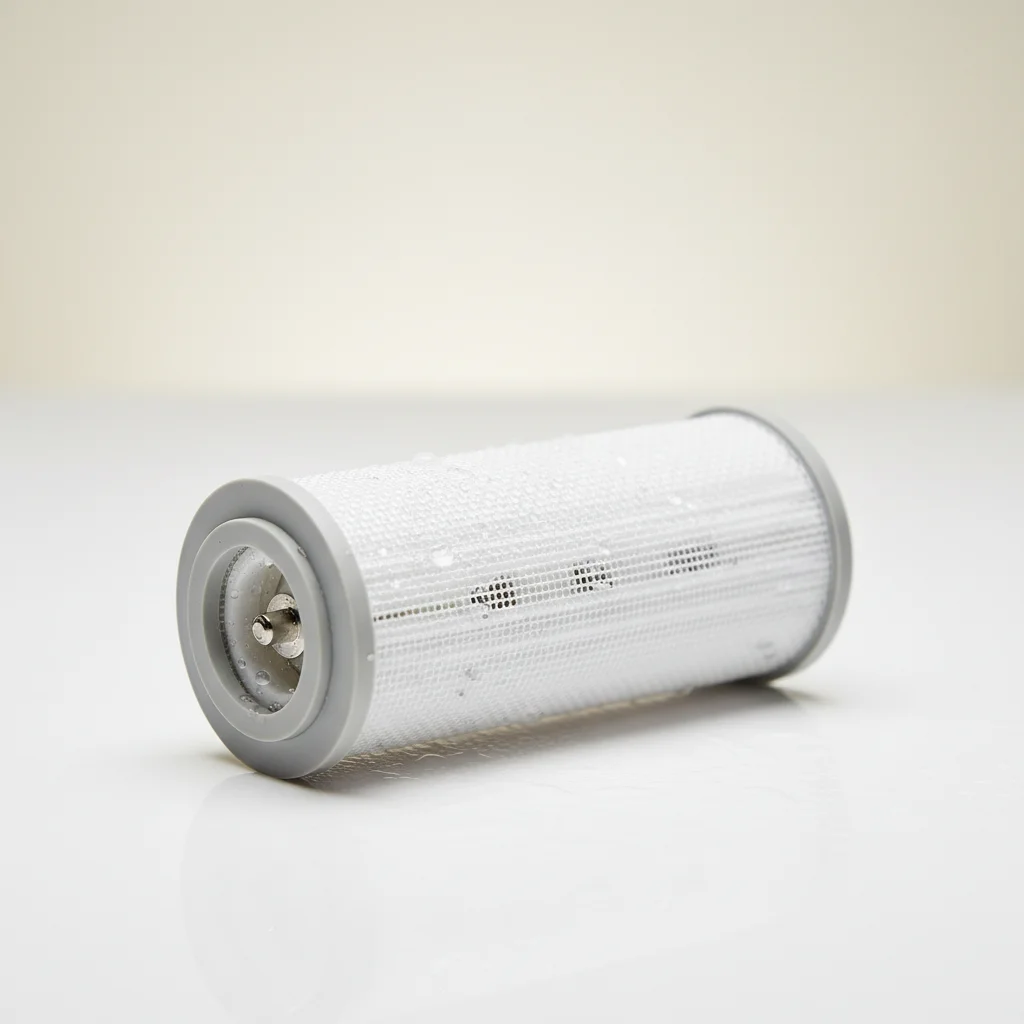
Cleaning your steam cleaner filter is crucial for maintaining its efficiency and extending its lifespan. A dirty filter can significantly reduce steam output and cleaning power. For most residential steam cleaners, it’s recommended to clean the filter every 5-10 uses, or at least once a month, depending on the frequency of use and the hardness of your water.
Why Filter Maintenance Matters for Your Steam Cleaner
The filter in your steam cleaner plays a vital role in preventing mineral buildup and debris from reaching the heating element and nozzles. Over time, hard water deposits can accumulate on the filter, restricting water flow and causing your machine to work harder. Regular cleaning ensures consistent steam pressure and prevents potential damage to internal components, saving you from costly repairs.
Neglecting filter maintenance can lead to several issues, including reduced steam volume, inconsistent heating, and even complete blockage. This not only diminishes the effectiveness of your cleaning tasks but also puts unnecessary strain on the motor, potentially shortening the life of your appliance.
Step-by-Step Guide to Cleaning Your Steam Cleaner Filter
Before you begin, always ensure your steam cleaner is unplugged and completely cooled down. Refer to your owner’s manual for specific instructions, as filter types and locations can vary between models. Generally, the process involves locating the filter, removing it, cleaning it thoroughly, and then reinserting it.
- Locate the filter: Most filters are found in the water tank inlet or within the main body of the cleaner.
- Remove the filter: Gently twist or pull the filter out. Some models may require a small tool.
- Rinse under running water: Use warm water to flush out any loose debris and mineral deposits.
- Soak in descaling solution: For stubborn buildup, soak the filter in a mixture of white vinegar and water (1:1 ratio) for 30 minutes to an hour.
- Brush gently: Use a soft brush (like an old toothbrush) to scrub away any remaining residue.
- Rinse thoroughly: Ensure all descaling solution is removed before reinserting.
Common Types of Steam Cleaner Filters and Their Care
|
Our Picks for the Best Steam Cleaner in 2026
As an Amazon Associate I earn from qualifying purchases.
|
||
| Num | Product | Action |
|---|---|---|
| 1 | Wagner Spraytech C900054 905e AutoRight Multi-Purpose Steam Cleaner, 12 Accessories Included, Power Steamer for cleaning, Color May Vary |

|
| 2 | Amazon Basics Multipurpose Steam Cleaner for Home with 22 Accessories, Chemical-Free Cleaning, 51oz tank, 1500W, White |
|
| 3 | Steam Cleaner, Powerful Multi-Purpose Portable Steam Cleaner, Removes Dirt and Grease, Suitable for Multiple Uses and Various Floor Surfaces, Includes 23-Piece Accessory Kit, 16.4-Foot Power Cord |
|
| 4 | Heavy Duty Steam Cleaner, 1500W High-Temperature Mop with 26 Accessories, 1.4L Portable Tank, Chemical-Free Cleaning for Floors, Tiles, Cars & More, Child Lock for Safety, Easy Operation |
|
| 5 | McCulloch MC1385 Deluxe Canister Steam Cleaner, 2-Hour Runtime, Chemical-Free, 23 Accessories: Mop Head, Brushes & More - Built for Home, Tile, Carpet, Furniture, & Personal Car Detailing |
|
| 6 | LABIGO 10-in-1 Steam Mop with Detachable Handheld Steamer, 350ml Tank, 10s Heat-Up, 248°F Steam Cleaner, 3-Level Control and Swivel Head for Floors, Carpets, Tiles, BBQ grill Multi-Surface Clean White |
|
| 7 | TVD Steam Cleaner, Steamer for Cleaning with 26 Accessories, Steam Cleaner for Home with 5M Extra-Long Power Cord for Home Floor Cleaning, Tile Detailing, Grout, Upholstery. |
|
| 8 | Steam Cleaner, Portable Steamer for Cleaning with 16pcs Accessories, 6-Level Adjustable, 15s Heat-Up, Handheld Steam Cleaner for Home for Tile, Grease, Dirt, Grout, Car Detailing, Green |
|
| 9 | Steam Cleaner, Steam Cleaner For Home, Handheld Steamer For Cleaning With 21 Accessories, 248 °F High Temperature, Suitable for Grout, Floor. Sofas, Upholstery, White |
|
| 10 | Heavy-Duty Steam Cleaner - 1500W Multipurpose Handheld Floor Steamer with 22 Accessories 16ft Cord for Home, Car Detailing, Tile, Grout, Carpet, Wallpaper, Upholstery, Window, Deep Cleaning |
|
Steam cleaners typically use one of two main filter types: mesh filters or cartridge filters. Mesh filters are usually washable and reusable, designed to catch larger particles. Cartridge filters, often found in more advanced models, may contain resins that soften water and need to be replaced periodically rather than just cleaned. Always check your specific model’s requirements.
For mesh filters, the cleaning process outlined above is generally sufficient. For cartridge filters, while some can be rinsed, many are designed for replacement. If your manual indicates a replaceable cartridge filter, make sure to have a spare on hand.
When to Replace Your Steam Cleaner Filter
Even with regular cleaning, mesh filters can wear out or become permanently clogged over time, especially if you frequently use hard water. If you notice a persistent drop in steam pressure, even after cleaning the filter, or if the filter material appears damaged or discolored, it’s likely time for a replacement. Cartridge filters, as mentioned, have a finite lifespan and should be replaced according to the manufacturer’s recommendations, typically every 3-6 months depending on usage.
Keeping track of your usage and water hardness can help you anticipate when a replacement might be needed. Investing in a new filter is a small cost compared to the potential damage a clogged filter can cause to your entire steam cleaner.
Tips for Preventing Future Filter Clogs
To minimize filter clogs and extend the time between cleanings, consider using distilled or demineralized water in your steam cleaner. This significantly reduces the mineral content introduced into the machine, thereby lessening the buildup on the filter and other internal components. If distilled water isn’t feasible, always empty the water tank after each use and allow the machine to cool with the tank open to prevent stagnant water from leaving mineral deposits.
Regularly wiping down the water tank and ensuring no debris enters the tank during refills can also contribute to a cleaner filter and overall better performance of your steam cleaner.

I used to just rinse my filter, but after reading about how hard water deposits can really mess things up, I tried a more thorough cleaning. My steam cleaner is working so much better now! The steam output is definitely stronger, and it feels like it’s not struggling as much. This really helped me avoid buying a new one.
This was a lifesaver! I was noticing my machine working harder and the steam pressure wasn’t consistent. I followed the advice on cleaning the filter, and it made a huge difference. It’s amazing how much debris can accumulate, and now my residential steam cleaner is back to its old self. Definitely saved me from costly repairs.
I always forget about the filter until my steam cleaner starts acting up. The tip about preventing mineral buildup is spot on. I’ve had issues with reduced steam volume before, and it was always because I neglected the filter. Now I’m trying to be more consistent with monthly cleaning.
I appreciate the reminder to clean the filter every 5-10 uses. I’ve been pretty good about it, but I still feel like my steam cleaner isn’t quite as powerful as it used to be, even after a good clean. Maybe I need to check the nozzles too, but the filter cleaning itself is straightforward.