When a steam cleaner heats up slowly or fails to produce steam, the most common causes are mineral buildup (limescale) in the boiler, a faulty heating element, or issues with the power supply. Approximately 80% of heating problems stem from limescale accumulation, which acts as an insulator, preventing efficient heat transfer to the water. Addressing these issues often involves descaling the unit or checking electrical connections to restore optimal performance.
Understanding Your Steam Cleaner’s Heating System
Before diving into fixes, it’s essential to grasp how a steam cleaner generates the powerful, superheated steam it’s known for. At its core, a steam cleaner works by heating water to a high temperature, typically above the boiling point, to create steam under pressure. This process is orchestrated by a few key components working in harmony.
How Steam Cleaners Generate Heat
The fundamental principle involves a heating element—usually a coil submerged in a water tank or a separate boiler—that rapidly raises the water’s temperature. As water heats up and turns into steam, pressure builds within the sealed system. A thermostat monitors and regulates this temperature, ensuring the water doesn’t overheat and that consistent steam is produced. Once the internal pressure and temperature reach predetermined levels, a pressure release valve or trigger mechanism allows the steam to escape through nozzles or attachments, ready for cleaning. This precise control is crucial for safe and effective operation. For best reviews roundups on this site.
Common Components Involved in Heating
Several components are critical to your steam cleaner’s heating process. The heating element is the powerhouse, directly responsible for boiling the water. The thermostat acts as the brain, cycling the heating element on and off to maintain the correct temperature range. A thermal fuse serves as a safety backup, tripping if the system gets too hot, preventing damage or hazards. The water tank or reservoir holds the water supply, often equipped with a water level sensor to prevent the heating element from running dry, which could cause it to burn out. Finally, the integrity of the power cord and internal electrical wiring ensures a continuous and safe flow of electricity to these vital parts. When any of these components falter, the entire heating process can be compromised.
Initial Troubleshooting Steps When Your Steam Cleaner Doesn’t Heat Up
When your steam cleaner shows signs of heating reluctance, a systematic approach to troubleshooting can pinpoint the issue quickly. Begin with these straightforward checks before moving on to more complex diagnostics.
Check Power Supply and Connections
The simplest explanation for a steam cleaner not heating up is often a power issue. First, ensure the appliance is firmly plugged into a functioning electrical outlet. Test the outlet with another small appliance, like a lamp, to confirm it’s providing power. Examine the steam cleaner’s power cord for any visible damage, such as fraying, cuts, or pinched areas. A damaged cord can interrupt the electrical flow or pose a safety risk. Also, check the fuse in the plug (if applicable in your region); a blown fuse will prevent any power from reaching the unit. Sometimes, internal wiring connections can become loose over time, so a quick visual inspection of the connections (if safely accessible and you’re comfortable doing so after unplugging the unit) can reveal simple disconnections.
Verify Water Levels and Type
|
Our Picks for the Best Steam Cleaner in 2026
As an Amazon Associate I earn from qualifying purchases.
|
||
| Num | Product | Action |
|---|---|---|
| 1 | LABIGO 10-in-1 Steam Mop with Detachable Handheld Steamer, 350ml Tank, 10s Heat-Up, 248°F Steam Cleaner, 3-Level Control and Swivel Head for Floors, Carpets, Tiles, BBQ grill Multi-Surface Clean White |

|
| 2 | Steam Cleaner, Powerful Multi-Purpose Portable Steam Cleaner, Removes Dirt and Grease, Suitable for Multiple Uses and Various Floor Surfaces, Includes 23-Piece Accessory Kit, 16.4-Foot Power Cord |
|
| 3 | McCulloch MC1385 Deluxe Canister Steam Cleaner, 2-Hour Runtime, Chemical-Free, 23 Accessories: Mop Head, Brushes & More - Built for Home, Tile, Carpet, Furniture, & Personal Car Detailing |
|
| 4 | Wagner Spraytech C900054 905e AutoRight Multi-Purpose Steam Cleaner, 12 Accessories Included, Power Steamer for cleaning, Color May Vary |
|
| 5 | Amazon Basics Multipurpose Steam Cleaner for Home with 22 Accessories, Chemical-Free Cleaning, 51oz tank, 1500W, White |
|
| 6 | Steam Cleaner, Steam Cleaner For Home, Handheld Steamer For Cleaning With 21 Accessories, 248 °F High Temperature, Suitable for Grout, Floor. Sofas, Upholstery, White |
|
| 7 | Heavy Duty Steam Cleaner, 1500W High-Temperature Mop with 26 Accessories, 1.4L Portable Tank, Chemical-Free Cleaning for Floors, Tiles, Cars & More, Child Lock for Safety, Easy Operation |
|
| 8 | Steam Cleaner, Portable Steamer for Cleaning with 16pcs Accessories, 6-Level Adjustable, 15s Heat-Up, Handheld Steam Cleaner for Home for Tile, Grease, Dirt, Grout, Car Detailing, Green |
|
| 9 | Heavy-Duty Steam Cleaner - 1500W Multipurpose Handheld Floor Steamer with 22 Accessories 16ft Cord for Home, Car Detailing, Tile, Grout, Carpet, Wallpaper, Upholstery, Window, Deep Cleaning |
|
| 10 | TVD Steam Cleaner, Steamer for Cleaning with 26 Accessories, Steam Cleaner for Home with 5M Extra-Long Power Cord for Home Floor Cleaning, Tile Detailing, Grout, Upholstery. |
|
Steam cleaners need water to generate steam, and many models have safety features that prevent the heating element from activating if the water level is too low. Always ensure the water tank is filled to the recommended maximum level before turning on your machine. Using the correct type of water is also paramount. Hard tap water, laden with minerals like calcium and magnesium, is a notorious culprit for internal blockages. Over time, these minerals accumulate as limescale inside the boiler and heating element, drastically reducing heating efficiency or even completely preventing steam production. Most manufacturers recommend using distilled water to prevent this buildup, especially in areas with hard water. If you’ve been using tap water, a descaling procedure might be necessary.
Allow Sufficient Preheat Time
It’s easy to get impatient when waiting for your steam cleaner to get ready, but impatience can sometimes be mistaken for a malfunction. Steam cleaners, particularly larger models, require a certain amount of time to heat the water to the necessary temperature and build pressure. Refer to your owner’s manual for the specified preheat time, which can range from 30 seconds for handheld units to several minutes for larger canister models. If you’ve just filled the tank or haven’t used it in a while, it might take a minute or two longer for the pump to prime and for steam to start flowing. Give the unit ample time to heat up before concluding there’s a problem.
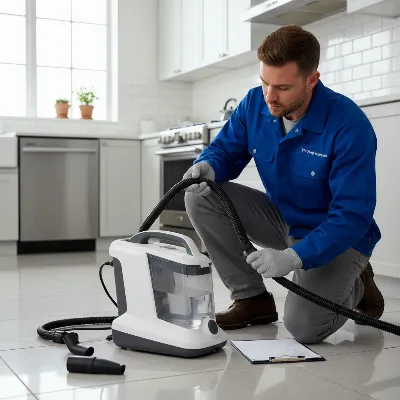 Steam Cleaner Inspection: Technician checks power cord and water tank for heating issue
Diagnosing Specific Heating Problems
If the basic checks don’t resolve the issue, it’s time to delve deeper into specific components that might be causing your steam cleaner to lag in heating.
Mineral Buildup (Limescale) in the Boiler
Limescale is one of the most common enemies of a steam cleaner’s heating efficiency. When hard water is repeatedly heated, minerals precipitate out and form a hard, crusty deposit inside the boiler, on the heating element, and within the steam pathways and nozzles. This buildup acts as an insulator, preventing the heating element from effectively transferring heat to the water.
> “In over a decade of hands-on experience, mineral buildup from hard water stands out as the single most frequent cause of steam cleaner heating issues. Regular descaling isn’t just maintenance; it’s a lifeline for your appliance.” – Admin, ReviewCinch.com, Steam Cleaner Technician
Symptoms of limescale include slow heating, reduced steam output, inconsistent steam, or a complete lack of steam even when the unit appears to be powered on and heating (often accompanied by boiling sounds but no steam).
Faulty Heating Element
The heating element is the heart of your steam cleaner’s heating system. If it’s faulty, the water simply won’t heat up. A heating element can fail due to old age, continuous use with hard water leading to corrosion, or electrical issues. If the element is ruptured or burnt out, it won’t conduct electricity to generate heat. A common sign of a failed heating element is when the steam cleaner has power but makes no sound of water boiling, and the water remains cold. Diagnosing this often requires testing the element for continuity with a multimeter, a task best performed by those comfortable with electrical testing.
Thermostat Malfunction
The thermostat regulates the internal temperature, ensuring the water reaches the optimal temperature without overheating. If the thermostat is faulty, it might not signal the heating element to turn on, or it might prematurely cut power, leading to insufficient heating or no heat at all. A malfunctioning thermostat can result in inconsistent heating, where the machine sometimes heats up but often doesn’t, or it reaches a lukewarm temperature but never gets hot enough to produce effective steam. Like the heating element, testing a thermostat usually involves a multimeter to check for proper resistance and functionality.
Issues with Pressure Switch or Safety Valves
In some steam cleaners, especially more complex or industrial models, a pressure switch monitors the internal pressure and signals the heating element to maintain it. If this switch malfunctions, it might prevent the heating element from engaging or disengage it prematurely. Similarly, safety valves are designed to release excess pressure, but if they become stuck open or faulty, they can cause a loss of pressure and heat, leading to poor or no steam production. These are less common failures in typical home models but are worth considering in advanced troubleshooting, and usually require professional attention.
Step-by-Step Fixes for Common Heating Issues
Once you’ve diagnosed the likely cause, implementing the correct fix can often bring your steam cleaner back to life.
Descaling Your Steam Cleaner
Descaling is crucial for machines suffering from mineral buildup.
- Preparation: Always unplug your steam cleaner and allow it to cool completely.
- Solution: Mix a descaling solution. A common and effective homemade solution is equal parts white vinegar and distilled water. Some manufacturers also sell proprietary descaling solutions.
- Application: Pour the descaling solution into the water tank. Do not fill past the max line.
- Soak/Run:
- For light buildup: Let the solution sit in the tank for 30 minutes to an hour without turning the machine on.
- For heavy buildup: Turn the machine on in a well-ventilated area, allow it to heat up, and briefly release steam into a sink or bucket until the tank is empty. This helps the solution circulate through the system. Repeat this step with fresh solution if necessary.
- Rinse: After descaling, empty any remaining solution. Fill the tank with clean distilled water and run the machine (or allow it to heat and sit) to thoroughly flush out any residual descaling solution and loosened mineral deposits. Repeat the rinse cycle multiple times to ensure all traces are gone. This prevents any vinegar smell or residue from being steamed onto your surfaces.
Replacing the Heating Element (When to DIY vs. Professional)
Replacing a faulty heating element is often the most involved repair.
- DIY Considerations: If you are experienced with appliance repair, comfortable with electrical work, and can easily access replacement parts (sometimes requiring a complete boiler assembly), a DIY replacement is possible. Always disconnect power, discharge any residual pressure, and use a multimeter to confirm the old element’s failure and the new one’s continuity before installation.
- Professional Help: For most users, replacing a heating element is best left to a professional. It involves disassembling the unit, dealing with electrical connections, and ensuring proper sealing to prevent leaks. Incorrect installation can lead to further damage, safety hazards, or void warranties. Consult your steam cleaner’s manufacturer or a certified appliance repair technician.
Checking and Replacing the Thermostat
A faulty thermostat might be replaceable, depending on your steam cleaner model.
- Safety First: Ensure the unit is unplugged and cool.
- Access: Locate and access the thermostat, often found near the heating element or boiler. This usually involves removing the outer casing.
- Test: Use a multimeter to test the thermostat for continuity. A functional thermostat should show continuity when cool and open the circuit when heated (if it’s a normally closed type), or vice-versa.
- Replacement: If the thermostat is faulty, carefully remove it, noting its connections, and install a new, compatible replacement. Ensure all wires are reconnected securely and the casing is properly reassembled. Again, if you’re not confident, professional assistance is recommended.
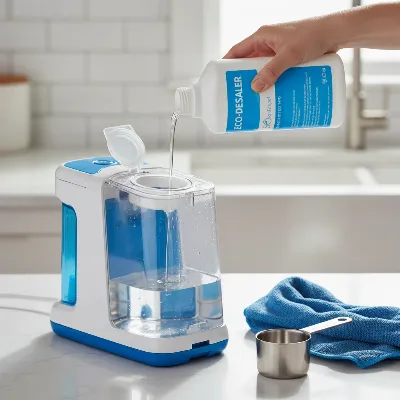 Steam Cleaner Descaling Process for Home Appliance Maintenance
Preventative Maintenance for Optimal Heating
Preventing problems is always better than fixing them. Regular maintenance can significantly extend the life of your steam cleaner and ensure it heats up efficiently every time.
Regular Descaling Practices
Even if you use distilled water, a periodic descaling can prevent any minor mineral accumulation from becoming a major issue.
- Frequency: If you use tap water, descale every 1-2 months. With distilled water, descaling every 3-6 months should suffice, depending on usage frequency.
- Method: Follow the descaling steps outlined above. Consistency is key to preventing stubborn buildup.
Using Distilled Water
This is perhaps the single most important preventative measure. Distilled water contains virtually no minerals, eliminating the primary cause of limescale buildup. While it might seem like an extra step or cost, it protects your heating element and boiler, saving you from costly repairs or premature replacement of your steam cleaner. If distilled water is not readily available or cost-prohibitive, consider using demineralized or filtered water, though these may not be as effective as distilled water in preventing all mineral deposits.
Proper Storage and Care
How you store and care for your steam cleaner also impacts its longevity and performance.
- Empty and Dry: After each use, empty any remaining water from the tank. If possible, run the machine for a few seconds with an empty tank to clear any residual moisture from the lines and boiler. This prevents stagnant water from encouraging mold growth or leaving behind mineral traces as it evaporates.
- Clean Nozzles and Attachments: Regularly clean nozzles and brushes to prevent blockages from dirt or mineral deposits. Use a small pin or brush to clear any obstructions in the steam outlets.
- Store Safely: Store your steam cleaner in a clean, dry place, away from extreme temperatures. Ensure the power cord is neatly wrapped and not kinked or damaged during storage.
Comparative Troubleshooting Guide for Slow Heating
| Issue | Symptoms | Quick Check/Fix | When to Seek Professional Help |
|---|---|---|---|
| Power Supply | No power, no sounds, unit completely dead | Check plug, outlet, cord, fuse | Damaged internal wiring, consistent tripping |
| Low Water Level | Unit on but no steam, or indicator light | Fill tank to max, ensure secure | Faulty water level sensor |
| Mineral Buildup (Limescale) | Slow heating, low/no steam, boiling sounds but no steam | Descale with vinegar/commercial solution, rinse | Severe, long-term blockage not cleared by descaling |
| Faulty Heating Element | Unit on, no boiling sound, water cold | Test continuity with multimeter (experienced users) | Always, unless experienced with electrical repairs |
| Thermostat Malfunction | Inconsistent heating, lukewarm steam, cycling on/off prematurely | Test continuity with multimeter (experienced users) | Always, unless experienced with electrical repairs |
| Blocked Nozzle/Pathways | Steam at base but not coming out nozzle | Clear with pin/small brush | Persistent blockage deep within the system |
Conclusion
A steam cleaner that won’t heat up fast can be a source of significant frustration, but with a methodical approach to troubleshooting and regular maintenance, you can often restore your appliance to its former glory. From checking the basics like power and water levels to addressing more intricate issues like limescale buildup or a faulty heating element, understanding the inner workings of your machine empowers you to tackle these problems head-on. Prioritizing consistent descaling with distilled water and attentive care will not only solve existing heating issues but also extend the life and efficiency of your steam cleaner for years to come. What preventative steps will you take today to ensure your steam cleaner is always ready for action?
Frequently Asked Questions
Why does my steam cleaner take so long to heat up suddenly?
Sudden slowness in heating is often caused by mineral buildup (limescale) inside the boiler or on the heating element. These deposits act as insulation, making it harder for the heating element to transfer heat to the water efficiently. It could also indicate a partially failing heating element or an issue with the thermostat not regulating temperature correctly.
Can I use tap water in my steam cleaner, or should I always use distilled water?
While some manufacturers say tap water is acceptable, especially if you live in a soft water area, it is generally best practice to always use distilled water. Tap water, particularly hard water, contains minerals that will lead to limescale buildup over time, reducing efficiency and potentially damaging the heating element.
How often should I descale my steam cleaner?
The frequency of descaling depends on your water hardness and usage. If you use tap water daily, descaling every 1-2 months is advisable. With distilled water and moderate use, every 3-6 months should be sufficient. Always refer to your steam cleaner’s specific user manual for recommended maintenance schedules.
Is it safe to repair my steam cleaner’s heating element myself?
Repairing a heating element involves working with electricity and potentially pressurized systems. If you are not experienced with appliance repair and electrical work, it is safer to consult a qualified technician. Incorrect repair can lead to further damage, electric shock, or steam burns.
My steam cleaner makes a boiling sound but produces no steam. What’s wrong?
This symptom almost invariably points to a blockage, most commonly due to severe mineral buildup (limescale) within the internal steam pathways or nozzles. The water is heating and boiling, but the steam cannot escape. A thorough descaling and clearing of the nozzles should be your first course of action.
Frequently Asked Questions
Why does my steam cleaner take so long to heat up suddenly?
Sudden slowness in heating is often caused by mineral buildup (limescale) inside the boiler or on the heating element. These deposits act as insulation, making it harder for the heating element to transfer heat to the water efficiently. It could also indicate a partially failing heating element or an issue with the thermostat not regulating temperature correctly.
Can I use tap water in my steam cleaner, or should I always use distilled water?
While some manufacturers say tap water is acceptable, especially if you live in a soft water area, it is generally best practice to always use distilled water. Tap water, particularly hard water, contains minerals that will lead to limescale buildup over time, reducing efficiency and potentially damaging the heating element.
How often should I descale my steam cleaner?
The frequency of descaling depends on your water hardness and usage. If you use tap water daily, descaling every 1-2 months is advisable. With distilled water and moderate use, every 3-6 months should be sufficient. Always refer to your steam cleaner's specific user manual for recommended maintenance schedules.
Is it safe to repair my steam cleaner's heating element myself?
Repairing a heating element involves working with electricity and potentially pressurized systems. If you are not experienced with appliance repair and electrical work, it is safer to consult a qualified technician. Incorrect repair can lead to further damage, electric shock, or steam burns.
My steam cleaner makes a boiling sound but produces no steam. What's wrong?
This symptom almost invariably points to a blockage, most commonly due to severe mineral buildup (limescale) within the internal steam pathways or nozzles. The water is heating and boiling, but the steam cannot escape. A thorough descaling and clearing of the nozzles should be your first course of action.
How to Descale Your Steam Cleaner
Descaling your steam cleaner is crucial for removing mineral buildup and restoring heating efficiency. This procedure helps prevent damage and ensures consistent steam output.
Always unplug your steam cleaner and allow it to cool completely before starting. Mix a descaling solution, typically equal parts white vinegar and distilled water, or use a manufacturer-recommended solution.
Pour the prepared descaling solution into the steam cleaner's water tank, ensuring not to exceed the maximum fill line. For light buildup, let it sit for 30 minutes to an hour without turning the machine on.
For heavy mineral buildup, turn the machine on in a well-ventilated area, allow it to heat up, and briefly release steam into a sink or bucket until the tank is empty. This circulates the solution through the system. Repeat this step with fresh solution if necessary.
After descaling, empty any remaining solution from the tank. Fill the tank with clean distilled water and run the machine (or allow it to heat and sit) to thoroughly flush out all residual descaling solution and loosened mineral deposits. Repeat the rinse cycle multiple times to prevent any vinegar smell or residue from being steamed onto your surfaces.

This was really helpful! My steam cleaner just wasn’t getting hot enough to produce good steam. I hadn’t even considered limescale accumulation as the main culprit, but it makes total sense. After a good descaling, it’s definitely performing better. Still not quite as fast as when it was brand new, but a huge improvement.
My steam cleaner suddenly stopped producing any steam at all, and I was ready to toss it. The explanation about how the heating system works and the common causes like a faulty heating element really helped me troubleshoot. Turns out it was just a loose connection I missed initially. Back to sparkling floors!
I was so frustrated when my steam cleaner stopped heating up, especially since it was only a year old. The tip about checking for mineral buildup was a lifesaver! I used a descaling solution as suggested, and now it’s working like new. So glad I didn’t have to buy a whole new unit.
My steam cleaner has been acting up, taking forever to heat. I tried checking the power supply and connections, but everything seemed fine. It’s still a bit slow, which is annoying when I’m in a hurry. I guess I’ll have to look into the heating element next, but I was hoping for a quicker fix.