Hard water stains, primarily composed of calcium and magnesium, can be effectively eliminated using a steam cleaner in conjunction with an acidic pre-treatment. This method leverages the steam’s high temperature and pressure to lift loosened deposits after an acid, such as white vinegar, has dissolved the alkaline mineral bonds. This approach is more effective than steam alone for removing stubborn limescale from surfaces like shower doors, faucets, and tiles.
Understanding Hard Water Stains and Steam Cleaning Effectiveness
Hard water stains, also known as limescale or mineral deposits, form when water rich in minerals like calcium and magnesium evaporates, leaving behind solid residues. These deposits cling tenaciously to surfaces, creating a cloudy film on glass, a chalky buildup on faucets, and discolored grout lines. Traditional scrubbing with soap often proves ineffective, and harsh chemical cleaners, while potent, come with their own set of environmental and health concerns.
Steam cleaning offers a powerful, eco-friendly alternative. The high temperature and pressure of steam effectively loosen dirt, soap scum, and grime, penetrate deep into porous surfaces, and sanitize without the need for chemical additives. However, steam alone may not fully dissolve tough mineral deposits. The secret to success lies in understanding the nature of these stains: they are alkaline, meaning they respond best to acidic solutions. When steam is combined with an acidic pre-treatment, it creates a synergistic effect, allowing the acid to break down the minerals and the steam to penetrate and lift them away, leaving surfaces sparkling clean and sanitized. This method not only tackles visible stains but also kills bacteria and mold spores often found in conjunction with hard water buildup. For explore our reviews reviews on this site.
Choosing the Right Steam Cleaner for Hard Water Stain Removal
Selecting the appropriate steam cleaner can significantly impact your success in removing hard water stains. Different types offer varying levels of power, portability, and versatility, each suited to specific cleaning tasks.
Types of Steam Cleaners
- Handheld Steam Cleaners: Compact and lightweight, these are excellent for small, targeted areas like faucets, shower tracks, and tight corners. Their portability makes them convenient for quick touch-ups.
- Canister Steam Cleaners: These are typically more powerful, offering larger water tanks for extended cleaning sessions and higher steam pressure. Canister models usually come with a wide array of attachments, making them highly versatile for tackling various surfaces, from floors to windows and delicate fixtures. They are ideal for larger cleaning jobs involving extensive hard water buildup.
- Steam Mops with Handheld Attachments: Designed primarily for floor cleaning, many steam mops now feature detachable handheld units. These “2-in-1” models offer a good balance for general household cleaning, allowing you to switch between floor sanitization and targeted stain removal on vertical surfaces like shower walls.
Key Features & Attachments
|
Our Picks for the Best Steam Cleaner in 2026
As an Amazon Associate I earn from qualifying purchases.
|
||
| Num | Product | Action |
|---|---|---|
| 1 | Steam Cleaner, Powerful Multi-Purpose Portable Steam Cleaner, Removes Dirt and Grease, Suitable for Multiple Uses and Various Floor Surfaces, Includes 23-Piece Accessory Kit, 16.4-Foot Power Cord |

|
| 2 | Heavy-Duty Steam Cleaner - 1500W Multipurpose Handheld Floor Steamer with 22 Accessories 16ft Cord for Home, Car Detailing, Tile, Grout, Carpet, Wallpaper, Upholstery, Window, Deep Cleaning |
|
| 3 | Heavy Duty Steam Cleaner, 1500W High-Temperature Mop with 26 Accessories, 1.4L Portable Tank, Chemical-Free Cleaning for Floors, Tiles, Cars & More, Child Lock for Safety, Easy Operation |
|
| 4 | McCulloch MC1385 Deluxe Canister Steam Cleaner, 2-Hour Runtime, Chemical-Free, 23 Accessories: Mop Head, Brushes & More - Built for Home, Tile, Carpet, Furniture, & Personal Car Detailing |
|
| 5 | Steam Cleaner, Steam Cleaner For Home, Handheld Steamer For Cleaning With 21 Accessories, 248 °F High Temperature, Suitable for Grout, Floor. Sofas, Upholstery, White |
|
| 6 | LABIGO 10-in-1 Steam Mop with Detachable Handheld Steamer, 350ml Tank, 10s Heat-Up, 248°F Steam Cleaner, 3-Level Control and Swivel Head for Floors, Carpets, Tiles, BBQ grill Multi-Surface Clean White |
|
| 7 | Steam Cleaner, Portable Steamer for Cleaning with 16pcs Accessories, 6-Level Adjustable, 15s Heat-Up, Handheld Steam Cleaner for Home for Tile, Grease, Dirt, Grout, Car Detailing, Green |
|
| 8 | TVD Steam Cleaner, Steamer for Cleaning with 26 Accessories, Steam Cleaner for Home with 5M Extra-Long Power Cord for Home Floor Cleaning, Tile Detailing, Grout, Upholstery. |
|
| 9 | Wagner Spraytech C900054 905e AutoRight Multi-Purpose Steam Cleaner, 12 Accessories Included, Power Steamer for cleaning, Color May Vary |
|
| 10 | Amazon Basics Multipurpose Steam Cleaner for Home with 22 Accessories, Chemical-Free Cleaning, 51oz tank, 1500W, White |
|
When choosing a steam cleaner specifically for hard water stains, consider these critical features:
- High Steam Temperature and Pressure (PSI): Higher temperatures (e.g., 275°F) and strong pressure are crucial for breaking down stubborn deposits and ensuring deep penetration.
- Appropriate Brushes:
- Brass Brushes: Essential for tougher buildup on durable surfaces like glass shower doors, tile, and grout. The abrasive nature of brass helps dislodge mineral scale.
- Nylon Brushes: Versatile for general scrubbing on a wider range of surfaces without causing scratches.
- Squeegee Attachments: Ideal for achieving streak-free results on glass, mirrors, and smooth tiled surfaces after the stains have been loosened.
- Jet Nozzles: These concentrate the steam into a powerful stream, perfect for blasting away buildup in crevices, corners, and around fixtures.
- Tank Capacity and Run Time: For tackling larger areas with significant hard water stains, a steam cleaner with a generous water tank and a longer continuous run time (e.g., 40-54 ounces for 50-90 minutes) will prevent frequent refills and interruptions.
The Dupray Neat Steam Cleaner and McCulloch MC1375/MC1385 are often recommended for their robust performance and comprehensive accessory kits, making them strong contenders for hard water stain removal. [cite: 1, 2, 4, 5 (search result 2 for ‘best steam cleaner’)]
Step-by-Step Guide: Removing Hard Water Stains with a Steam Cleaner
Tackling hard water stains effectively involves a systematic approach, combining the power of steam with the dissolving action of an acidic solution.
Preparation
- Gather Your Supplies: You will need your chosen steam cleaner, distilled water, white vinegar (or a citric acid solution), several clean microfiber cloths, and suitable brush attachments (brass for tough stains, nylon for general use).
- Pre-treat the Stains: Generously spray the hard water-stained surfaces with undiluted white vinegar or a solution of citric acid (1-2 tablespoons dissolved in 500ml of warm water). Allow the acidic solution to sit for at least 5-10 minutes, or longer for extremely stubborn buildup. This dwell time is crucial for the acid to begin dissolving the mineral deposits. “For optimal results, pre-treating hard water stains with an acidic solution like vinegar is non-negotiable; it’s the chemical reaction that truly breaks down the mineral bonds before the steam lifts them away.” – Admin, ReviewCinch.com, Steam Cleaner Technician.
- Fill the Steam Cleaner: Always fill your steam cleaner’s reservoir with distilled water. This prevents new mineral deposits from forming inside your appliance and ensures that the steam you produce is pure, leaving no additional residue on your cleaned surfaces.
- Heat Up the Steam Cleaner: Turn on your steam cleaner and allow it to heat up completely according to the manufacturer’s instructions. This ensures a consistent, high-pressure steam output for maximum effectiveness.
Cleaning Process
- Apply Steam with Attachment: Attach the appropriate brush (brass for very tough spots, nylon for most areas) or a jet nozzle to your steam cleaner. Direct the stream of steam onto the pre-treated stain.
- Gently Scrub: As the steam softens the deposits, gently scrub the area with the brush attachment. You should see the mineral buildup beginning to loosen and lift away. For larger areas like glass shower doors, work in small sections from top to bottom.
- Wipe Away Residue: Immediately wipe the treated area with a clean microfiber cloth to remove the dissolved minerals and moisture. For glass or smooth tiles, using a squeegee attachment can provide a streak-free finish.
- Repeat as Necessary: For particularly stubborn or thick hard water stains, you may need to repeat the pre-treatment, steaming, and scrubbing process multiple times until the surface is clean. Patience and persistence are key.
Surface-Specific Tips
- Glass Showers and Doors: After pre-treating with vinegar, use a brass brush with steam for deep cleaning, followed by a squeegee to prevent new water spots.
- Tiles and Grout: Use a nylon brush or a dedicated grout brush attachment with steam. The steam will penetrate the porous grout lines, and the brush will scrub away the softened mineral and dirt buildup.
- Faucets and Chrome Fixtures: Utilize a small detail brush or jet nozzle to target buildup around the base and crevices. The steam will help dislodge the deposits, which can then be wiped away.
- Stainless Steel: Steam can remove water spots and streaks from stainless steel appliances. Use a soft brush or microfiber pad, then wipe dry immediately to avoid new water marks.
- Delicate Surfaces: Always test a small, inconspicuous area before applying steam to sensitive materials like natural stone, painted surfaces, or certain sealed woods. High heat and acidity can potentially cause damage.
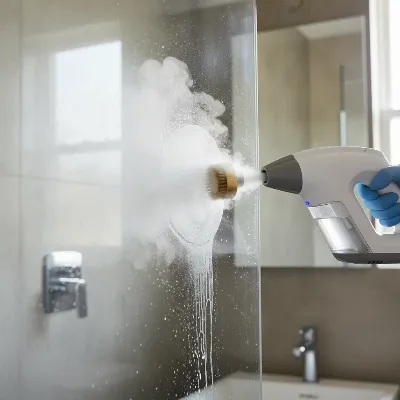 Steam cleaner effectively removing hard water stains from a glass shower door with a brush attachment and acidic pre-treatment.
Advanced Tips for Stubborn Hard Water Stains
Some hard water stains can be particularly stubborn, requiring a bit more effort and strategic thinking. If the initial method doesn’t yield perfect results, consider these advanced tips:
- Increase Dwell Time for Pre-treatment: For excessively thick or aged hard water buildup, extend the pre-treatment soaking time. Instead of 5-10 minutes, try letting the vinegar or citric acid solution sit for 30 minutes to an hour, or even longer if the surface can tolerate it. You can even soak paper towels in vinegar and adhere them to vertical surfaces to keep the acid in contact with the stain.
- Consider Stronger Acidic Solutions: While white vinegar is usually effective, for severe cases, commercial descalers containing stronger acids (e.g., oxalic acid or hydrochloric acid in products like CLR) might be necessary. Crucially, never mix these with vinegar or other cleaners, and always follow the product’s instructions carefully. Ensure the surface material is compatible, wear protective gear, and rinse thoroughly before applying steam to avoid chemical interactions or noxious fumes.
- Targeted Abrasive Action: For highly durable surfaces like thick glass or robust ceramic tiles, a very fine abrasive pad or even a razor blade (used carefully at a shallow angle) can be employed after the acidic pre-treatment and initial steaming. This helps to physically scrape away any remaining, softened mineral scale. Always exercise extreme caution to avoid scratching the surface.
- Why Professional Help Might Be Needed: In some instances, hard water can etch into porous surfaces or cause permanent damage to glass, particularly if the stains have been left untreated for a very long time. If stains persist despite diligent efforts, or if you notice damage like cloudy etching on glass that won’t come off, professional cleaning services may be able to offer specialized treatments or advise on restoration options.
Maintaining Your Steam Cleaner for Optimal Performance
Proper maintenance of your steam cleaner is paramount to ensure its longevity and consistent performance, especially when dealing with mineral-rich hard water. Neglecting maintenance can lead to scale buildup within the machine, reducing steam output and potentially causing damage.
After Each Use
- Empty Water Tank: Always drain any leftover water from the tank after each cleaning session. Leaving water in the reservoir encourages mineral deposits to form and can lead to mold or unpleasant odors.
- Allow to Cool Completely: Before storing or performing any maintenance, let your steam cleaner cool down entirely. This is crucial for safety and to prevent damage to internal components.
- Clean Attachments: Remove and clean all attachments, such as brushes, nozzles, and squeegees. Soaking brushes in a warm baking soda solution can help dissolve any accumulated lime scale or grime. Rinse them thoroughly and allow them to air dry before storing.
Regular Descaling (Monthly/As Needed)
Even when using distilled water, some mineral residue can accumulate over time. Regular descaling is essential, particularly if you notice reduced steam pressure or output.
- Using White Vinegar Solution: Fill the empty water tank with a solution of one part white vinegar and two parts distilled water. Turn the steam cleaner on and allow it to heat up, then run it until the tank is empty, directing the steam into a sink or bucket. Follow up by flushing the tank with two full cycles of pure distilled water to remove any lingering vinegar scent.
- Using Citric Acid Solution: Alternatively, dissolve 1-2 tablespoons of citric acid powder in 500ml of warm distilled water. Pour this into the tank, run the steamer for 15-20 minutes, then drain and rinse thoroughly with clean water.
- Preventative Measures: The most effective way to minimize descaling frequency is to always use distilled water in your steam cleaner. This eliminates the source of mineral buildup from the start. Also, avoid overfilling the tank, and regularly check steam holes and nozzles for any clogs, clearing them with a thin needle or toothpick if necessary.
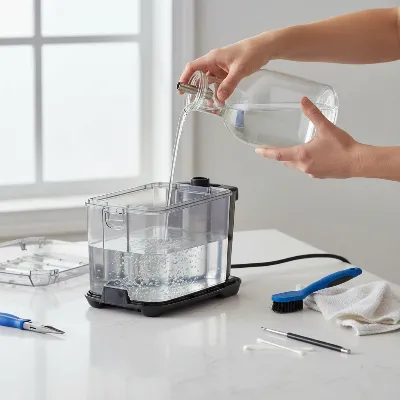 Maintaining a steam cleaner by descaling with a vinegar solution for optimal performance and longevity.
Conclusion
Tackling hard water stains can be a daunting task, but with the right approach, your steam cleaner can become an indispensable tool in your cleaning arsenal. By understanding that these mineral deposits respond best to acidic pre-treatment combined with the high heat and pressure of steam, you can effectively dissolve and lift away even the most stubborn residues. Choosing the correct type of steam cleaner with appropriate attachments, following a meticulous step-by-step cleaning process, and committing to regular maintenance will ensure your home remains sparkling and your appliance operates efficiently for years to come. Embrace the power of steam and improve your cleaning routine, achieving a hygienic, chemical-free shine. What challenging surfaces will you conquer next with your expertly maintained steam cleaner?
Frequently Asked Questions
Frequently Asked Questions
Can a steam cleaner remove all types of hard water stains?
While highly effective, steam alone may not remove all hard water stains, especially deeply embedded or old, etched deposits. For best results, always pre-treat the stains with an acidic solution like vinegar or citric acid to dissolve the minerals, then use the steam cleaner to lift and rinse them away.
Is it safe to put vinegar directly into my steam cleaner's water tank?
Vinegar should generally not be put directly into your steam cleaner's water tank for cleaning surfaces, as its acidity can damage internal components over time. However, it is perfectly safe and highly recommended to use vinegar as a pre-treatment directly on the stained surface before you apply steam from your machine.
How often should I clean hard water stains with a steam cleaner?
The frequency depends on the hardness of your water and how quickly stains accumulate. For areas with very hard water, weekly or bi-weekly targeted cleaning of high-traffic areas like showers and faucets may be beneficial. For general maintenance, monthly cleaning can suffice.
What type of water is best for use in a steam cleaner?
Always use distilled water in your steam cleaner. Distilled water is free of minerals, which prevents limescale buildup inside your appliance and ensures that no new mineral deposits are left on the surfaces you clean.
Can steam cleaners cause damage to delicate household surfaces?
While generally safe, steam cleaners can potentially damage certain delicate surfaces if not used correctly. Always test in an inconspicuous area first, especially on natural stone, painted surfaces, or unsealed wood. Avoid prolonged steam exposure on heat-sensitive materials.
Remove Hard Water Stains with a Steam Cleaner
This guide outlines a systematic approach to effectively remove hard water stains using a steam cleaner combined with an acidic pre-treatment.
Spray hard water-stained surfaces generously with undiluted white vinegar or a citric acid solution (1-2 tablespoons in 500ml warm water). Allow the solution to sit for 5-10 minutes, or longer for stubborn buildup, to dissolve mineral deposits.
Fill your steam cleaner's reservoir with distilled water to prevent internal mineral buildup. Turn on the steam cleaner and allow it to heat up completely according to the manufacturer's instructions, ensuring consistent, high-pressure steam output.
Attach an appropriate brush (brass for tough spots, nylon for general use) or a jet nozzle to your steam cleaner. Direct the steam onto the pre-treated stain while gently scrubbing the area to loosen and lift the mineral buildup.
Immediately wipe the treated area with a clean microfiber cloth to remove dissolved minerals and moisture. For streak-free results on glass or smooth tiles, use a squeegee attachment.
For particularly stubborn or thick hard water stains, repeat the pre-treatment, steaming, and scrubbing process multiple times. Patience and persistence are crucial for achieving a clean surface.

I was so skeptical about getting rid of the hard water stains on my shower doors, they’ve been there for ages. The tip about using white vinegar as a pre-treatment before steaming was a game-changer! My shower doors actually sparkle now, and it took way less effort than I expected. Definitely recommend this method for stubborn limescale.
My bathroom tiles always looked cloudy from hard water, and I thought I’d tried everything. The explanation about calcium and magnesium deposits really clicked for me. Using my steam cleaner after a quick vinegar spray lifted those stains right off. It’s amazing how effective this combination is for getting rid of that tenacious film.
This guide really helped me understand why my old cleaning methods weren’t working on the chalky buildup around my kitchen faucet. The high temperature and pressure from my steam cleaner, combined with a little acidic pre-treatment, made a huge difference. I wish I’d known about this approach sooner, it’s so much better than just scrubbing.
I tried the steam cleaner on my discolored grout lines, and while it did help a bit, it didn’t completely remove all the mineral deposits. Maybe my stains were just too old and set in. It’s definitely better than just using soap, but I was hoping for a more dramatic result on the really tough spots. Still, it’s a good starting point.