A steam cleaner leaks water primarily due to an overfilled water tank, loose caps or seals, mineral buildup in nozzles, or improperly attached accessories. Addressing these common issues quickly can restore optimal, leak-free performance. For instance, ensuring the water tank is filled below the maximum line and that its cap is securely tightened can often resolve minor leaks immediately. Persistent leaks may indicate internal component failure requiring professional attention.
Understanding Why Your Steam Cleaner Leaks
A leaking steam cleaner isn’t just an inconvenience; it often signals an underlying issue that needs immediate attention. While a small amount of condensation can be normal during operation, persistent or excessive water leakage points to a problem within the unit. The fundamental principle of a steam cleaner relies on tightly contained water that heats up to create high-pressure steam. Any compromise in this containment can lead to leaks, affecting both the appliance’s efficiency and your cleaning results. Recognizing the root cause is the first step toward a lasting solution.
Common reasons for a steam cleaner to leak water include overfilling the water tank, loose or damaged caps and seals, mineral buildup clogging nozzles or internal components, and issues with attachments or hoses. Sometimes, the problem might stem from a manufacturing defect or internal part failure, especially with new units. Addressing these issues promptly is crucial for maintaining your steam cleaner’s functionality and ensuring safe operation.
Initial Troubleshooting Steps for a Leaking Steam Cleaner
When your steam cleaner begins to leak, don’t panic. Many common leaking issues can be resolved with a few simple checks. Before diving into more complex diagnostics, start with these fundamental troubleshooting steps to quickly identify and rectify the problem. Always ensure your steam cleaner is unplugged and cooled down before performing any inspections or adjustments to ensure your safety.
Check the Water Tank Level and Cap
One of the most frequent reasons for a steam cleaner to leak is an overfilled water tank. Most machines have a clearly marked maximum fill line, and exceeding this can cause water to escape from various points, including the steam jets or the bottom of the unit. Simply reduce the water to the recommended level if you’ve overfilled it. Ensure the water tank cap is securely tightened and free from any cracks or damage. A loose or faulty cap can allow water to seep out under pressure.
Verify Attachments and Connections
Loose or improperly fitted attachments, such as nozzles, brushes, or hoses, are another common source of leaks. Each accessory needs to be securely clicked or screwed into place to form a tight seal. Disconnect and reattach all accessories, ensuring they are firmly seated. Check the hose connections for any looseness or visible gaps, tightening them carefully without overtightening, which could cause damage.
Inspect Seals and Gaskets for Damage
|
Our Picks for the Best Steam Cleaner in 2026
As an Amazon Associate I earn from qualifying purchases.
|
||
| Num | Product | Action |
|---|---|---|
| 1 | TVD Steam Cleaner, Steamer for Cleaning with 26 Accessories, Steam Cleaner for Home with 5M Extra-Long Power Cord for Home Floor Cleaning, Tile Detailing, Grout, Upholstery. |

|
| 2 | Heavy-Duty Steam Cleaner - 1500W Multipurpose Handheld Floor Steamer with 22 Accessories 16ft Cord for Home, Car Detailing, Tile, Grout, Carpet, Wallpaper, Upholstery, Window, Deep Cleaning |
|
| 3 | LABIGO 10-in-1 Steam Mop with Detachable Handheld Steamer, 350ml Tank, 10s Heat-Up, 248°F Steam Cleaner, 3-Level Control and Swivel Head for Floors, Carpets, Tiles, BBQ grill Multi-Surface Clean White |
|
| 4 | Steam Cleaner, Powerful Multi-Purpose Portable Steam Cleaner, Removes Dirt and Grease, Suitable for Multiple Uses and Various Floor Surfaces, Includes 23-Piece Accessory Kit, 16.4-Foot Power Cord |
|
| 5 | Heavy Duty Steam Cleaner, 1500W High-Temperature Mop with 26 Accessories, 1.4L Portable Tank, Chemical-Free Cleaning for Floors, Tiles, Cars & More, Child Lock for Safety, Easy Operation |
|
| 6 | Steam Cleaner, Portable Steamer for Cleaning with 16pcs Accessories, 6-Level Adjustable, 15s Heat-Up, Handheld Steam Cleaner for Home for Tile, Grease, Dirt, Grout, Car Detailing, Green |
|
| 7 | Amazon Basics Multipurpose Steam Cleaner for Home with 22 Accessories, Chemical-Free Cleaning, 51oz tank, 1500W, White |
|
| 8 | Wagner Spraytech C900054 905e AutoRight Multi-Purpose Steam Cleaner, 12 Accessories Included, Power Steamer for cleaning, Color May Vary |
|
| 9 | McCulloch MC1385 Deluxe Canister Steam Cleaner, 2-Hour Runtime, Chemical-Free, 23 Accessories: Mop Head, Brushes & More - Built for Home, Tile, Carpet, Furniture, & Personal Car Detailing |
|
| 10 | Steam Cleaner, Steam Cleaner For Home, Handheld Steamer For Cleaning With 21 Accessories, 248 °F High Temperature, Suitable for Grout, Floor. Sofas, Upholstery, White |
|
Seals and gaskets are critical components that create watertight connections throughout your steam cleaner. Over time, these rubber or silicone parts can wear out, crack, or become damaged, leading to leaks. Carefully inspect all visible seals, particularly around the water tank, cap, and attachment points. If you find any signs of wear or damage, replacing these small parts can often resolve the leaking issue effectively.
Diagnosing Specific Leak Locations and Solutions
Once you’ve completed the initial troubleshooting, you might have pinpointed the general area of the leak. Different leak locations can indicate distinct problems, each requiring a targeted solution. Understanding where the water is escaping can guide you toward the most effective repair.
Leaks from the Water Tank or Reservoir
If water is primarily leaking directly from the main water tank or its housing, consider these causes:
- Overfilling: As previously mentioned, always ensure the water level is below the maximum fill line.
- Damaged Tank Cap or Seal: Even a tiny crack in the cap or a worn-out rubber seal around the tank’s opening can lead to significant leaks when the unit heats up and builds pressure. Replacement parts are often available from the manufacturer or third-party suppliers.
- Cracked Tank: In rare cases, the water tank itself might have developed a crack. This usually requires replacing the entire tank, which might be a more involved repair.
> “The most common culprit for steam cleaner leaks is often a simple fix: ensuring the water tank isn’t overfilled and that its cap is securely tightened. These small details are often overlooked but can lead to significant spills.” – Admin of ReviewCinch.com, Steam Cleaner Expert
Leaks from the Nozzle or Attachments
Leaks originating from the nozzle or the point where attachments connect often point to blockages or issues with the accessory itself:
- Clogged Nozzle/Steam Jets: Mineral buildup (limescale) can accumulate in the steam jets or nozzle, partially blocking the steam’s exit. This forces water to leak out rather than being fully converted to steam. To clean, fill the tank with an equal parts vinegar and water solution and run the machine until the tank is empty, or use a commercial descaler.
- Loose or Improperly Attached Tools: Recheck that all attachments are firmly connected. A slight misalignment can break the seal, allowing water to drip.
- Worn O-rings/Gaskets: Small O-rings or gaskets within the attachments or their connection points can degrade. Inspect these and replace them if they appear flattened, cracked, or hardened.
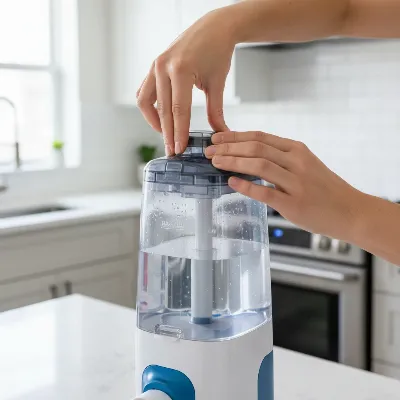 Person inspecting steam cleaner water tank cap and fill line to prevent leaks.
Leaks from the Hose or Connections
If your steam cleaner has a flexible hose that connects to various attachments, leaks here can be particularly disruptive:
- Loose Fittings: The connection points where the hose attaches to the main unit or to accessories might be loose. Hand-tighten these connections, ensuring a snug fit.
- Cracked or Damaged Hose: Over time, hoses can develop cracks or punctures due to wear and tear, kinking, or accidental damage. Inspect the entire length of the hose carefully. A damaged hose will need to be replaced.
- Worn Washers: Small rubber washers inside the hose connectors can become compressed or damaged, compromising the seal. Replacing these inexpensive parts can often fix the leak.
Leaks from the Body of the Unit
Leaks emerging directly from the main body of the steam cleaner, rather than an obvious external component, can indicate a more serious internal issue:
- Internal Valve or Seal Failure: Particularly in new units, an internal valve or seal might not be properly seated or could be defective, causing water to escape before steam is fully generated. This can result in significant water loss during heating.
- Boiler or Pump Issues: Internal components like the boiler or pump, if damaged or faulty, can lead to leaks within the unit’s casing. These issues typically require professional repair due to the complexity and safety risks involved.
- Safety Bleed Valve Activation: If the internal pressure builds excessively (often due to a blockage), some steam cleaners have a safety bleed valve that releases pressure, which might appear as a leak from the body. If this occurs, follow the “No Steam” troubleshooting steps to clear any blockages.
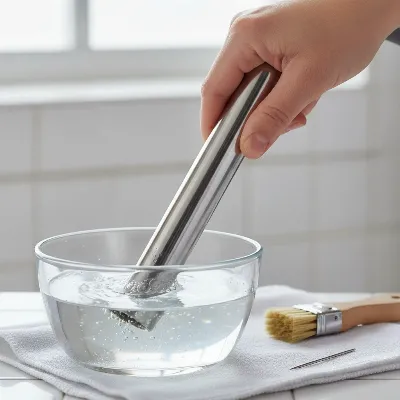 User descaling a steam cleaner nozzle to fix a leak caused by mineral buildup.
Preventative Maintenance to Avoid Leaks
Proactive care is the best way to keep your steam cleaner in top working order and prevent leaks from occurring in the first place. Incorporating a few simple maintenance habits into your routine can significantly extend the life of your appliance and ensure consistent, leak-free performance.
Use Distilled Water
The single most effective preventative measure against many steam cleaner issues, including leaks, is using distilled or demineralized water. Tap water contains minerals that can quickly lead to limescale buildup in the boiler, heating elements, and nozzles. This buildup clogs components, reduces efficiency, and can cause water to leak as steam struggles to escape. Switching to distilled water minimizes this problem dramatically.
Regular Descaling
Even with distilled water, some mineral residue can accumulate over time, especially if you occasionally use tap water. Regular descaling (monthly for frequent users or as per the manufacturer’s recommendations) is crucial. Use a specialized descaling solution or a natural mixture of equal parts white vinegar and water. Run this solution through the machine to dissolve any internal buildup, then flush thoroughly with clean water.
Proper Storage and Handling
How you store and handle your steam cleaner can impact its longevity. Always empty the water tank after each use and allow the machine to cool completely before storing it in a dry, dust-free place, away from extreme temperatures. Avoid kinks or sharp bends in hoses, coiling them loosely. Gentle handling of attachments and connections also helps preserve their integrity and seals.
Routine Inspection
Make it a habit to quickly inspect your steam cleaner before and after each use. Look for any visible cracks on the tank or housing, signs of wear on seals and gaskets, or loose connections. Early detection of minor issues can prevent them from escalating into significant leaks or damage. Wiping down the exterior after use can also help you spot potential problems sooner.
When to Call a Professional or Consider Replacement
While many steam cleaner leaks can be resolved with DIY troubleshooting and maintenance, some situations warrant professional intervention or even considering a new appliance. Knowing when to escalate the problem can save you further frustration and potential costs.
If you’ve diligently followed all troubleshooting steps and your steam cleaner continues to leak persistently, it’s often a sign of a more complex internal issue. Major component failures, such as a damaged boiler, pump, or critical internal valves that are difficult to access and replace, usually require the expertise of a qualified technician. Attempting advanced repairs yourself without proper knowledge can be dangerous and may void your warranty.
Consider the age of your unit and the cost of repair versus replacement. If your steam cleaner is old, constantly developing new issues, and the estimated repair cost is a significant percentage of a new machine’s price, investing in a new, more efficient model might be the more economical choice. If your unit is still under warranty, contact the manufacturer’s service center immediately, as they can often repair or replace defective units at no cost.
Conclusion
A leaking steam cleaner can interrupt your cleaning routine and create unnecessary mess, but most issues are surprisingly easy to resolve. By systematically checking for common culprits like an overfilled water tank, loose connections, or clogged nozzles, you can quickly diagnose and fix the problem. Regular preventative maintenance, including using distilled water and periodic descaling, is key to keeping your steam cleaner performing optimally and leak-free for years to come. Don’t let a small leak dampen your cleaning efforts; take swift action and restore your steam cleaner’s power.
Frequently Asked Questions
Why does my steam cleaner leak when it’s heating up?
If your steam cleaner leaks significantly during the heating phase, even before you press the steam trigger, it often indicates an internal fault such as a defective valve or seal within the boiler. While minor condensation might be normal, excessive leaking suggests a component isn’t properly containing the water under pressure. This usually requires professional inspection or warranty service.
Can mineral buildup cause a steam cleaner to leak?
Yes, mineral buildup (limescale) is a common cause of leaks. Hard water minerals can clog the steam jets and internal components, preventing steam from escaping freely. This obstruction can cause water to leak out from the nozzle or other parts of the machine as pressure builds. Regular descaling with vinegar or a commercial descaler is essential to prevent this.
How often should I descale my steam cleaner to prevent leaks?
The frequency of descaling depends on your usage and local water hardness. If you use tap water, monthly descaling is often recommended. If you use distilled water consistently, you might only need to descale every few months or as per your manufacturer’s specific guidelines. Regularly emptying the water tank after each use also helps prevent buildup.
Is it normal for some water to drip from the steam cleaner?
A small amount of condensation or a few drips during the initial heating phase or immediately after releasing steam can be considered normal for some models. However, persistent or significant water leakage during operation or storage is not normal and indicates a problem that needs to be addressed.
What should I do if my steam cleaner hose is leaking?
If your steam cleaner hose is leaking, first check for loose fittings at the connection points to the main unit and accessories. Hand-tighten these connections to ensure a snug fit. If the leak persists, inspect the entire length of the hose for cracks or punctures, and check the small rubber washers inside the connectors for wear or damage. A damaged hose or worn washers will need replacement.
When should I consider replacing a leaking steam cleaner?
Consider replacing a leaking steam cleaner if it is old, constantly developing new issues, and the estimated repair cost is a significant percentage of a new machine’s price. For major internal component failures like a damaged boiler or pump, professional repair might be too costly, making a new, more efficient model a better investment.
Frequently Asked Questions
Why does my steam cleaner leak when it's heating up?
If your steam cleaner leaks significantly during the heating phase, it often indicates an internal fault such as a defective valve or seal within the boiler. While minor condensation might be normal, excessive leaking suggests a component isn't properly containing the water under pressure. This usually requires professional inspection or warranty service.
Can mineral buildup cause a steam cleaner to leak?
Yes, mineral buildup (limescale) is a common cause of leaks. Hard water minerals can clog the steam jets and internal components, preventing steam from escaping freely. This obstruction can cause water to leak out from the nozzle or other parts of the machine as pressure builds. Regular descaling with vinegar or a commercial descaler is essential to prevent this.
How often should I descale my steam cleaner to prevent leaks?
The frequency of descaling depends on your usage and local water hardness. If you use tap water, monthly descaling is often recommended. If you use distilled water consistently, you might only need to descale every few months or as per your manufacturer's specific guidelines. Regularly emptying the water tank after each use also helps prevent buildup.
Is it normal for some water to drip from the steam cleaner?
A small amount of condensation or a few drips during the initial heating phase or immediately after releasing steam can be considered normal for some models. However, persistent or significant water leakage during operation or storage is not normal and indicates a problem that needs to be addressed.
What should I do if my steam cleaner hose is leaking?
If your steam cleaner hose is leaking, first check for loose fittings at the connection points to the main unit and accessories. Hand-tighten these connections to ensure a snug fit. If the leak persists, inspect the entire length of the hose for cracks or punctures, and check the small rubber washers inside the connectors for wear or damage. A damaged hose or worn washers will need replacement.
When should I consider replacing a leaking steam cleaner?
Consider replacing a leaking steam cleaner if it is old, constantly developing new issues, and the estimated repair cost is a significant percentage of a new machine's price. For major internal component failures like a damaged boiler or pump, professional repair might be too costly, making a new, more efficient model a better investment.
Stop Your Steam Cleaner from Leaking Water
Follow these steps to diagnose and fix common steam cleaner leaks, ensuring your appliance operates efficiently and safely.
Ensure the water tank is not overfilled, keeping the water level below the maximum fill line. Verify that the tank cap is securely tightened and free from any cracks or damage. A loose or faulty cap is a frequent cause of leaks.
Disconnect and reattach all accessories, such as nozzles, brushes, and hoses, ensuring they are firmly seated and securely clicked or screwed into place. Check hose connections for looseness and tighten them carefully to form a tight seal without overtightening.
Carefully examine all visible seals and gaskets, especially around the water tank, cap, and attachment points. These rubber or silicone parts can wear out or crack over time. Replace any seals or gaskets that show signs of wear or damage to restore watertight connections.
Mineral buildup (limescale) can clog steam jets, forcing water to leak. Fill the tank with an equal parts vinegar and water solution and run the machine until empty, or use a commercial descaler. This process helps dissolve internal buildup and allows steam to escape freely.
Use distilled water to prevent mineral buildup and descale your steam cleaner regularly (monthly for frequent users). Always empty the water tank after each use and store the machine properly, avoiding kinks in hoses. Routine inspection before and after use helps catch minor issues early.

This was incredibly helpful! I thought my steam cleaner was broken for good because it was leaking so much water. Turns out, I was just overfilling the water tank every single time. Once I made sure to stay below the maximum line, the leaking stopped completely. Such a simple fix that saved me from buying a new one!
I was so frustrated with my steam cleaner constantly dripping water, especially when I was trying to clean my tile floors. The tip about checking for mineral buildup in the nozzles was a game-changer for me. I used a small pin to clear it out, and now it’s working much better. Still get a tiny bit of condensation, but no more big puddles!
I had a persistent leak and couldn’t figure out why. The suggestion about improperly attached accessories was spot on for my situation. I realized the floor attachment wasn’t clicked in all the way, and once I reattached it properly, the leaking stopped immediately. So glad I didn’t have to call a repair service!
My steam cleaner started leaking pretty bad after about a year of use. I tried all the suggestions like not overfilling the tank and checking the cap, but it still drips a little. It’s definitely better than before, but I was hoping for a complete fix. Maybe it’s time to look into professional attention like it mentioned.