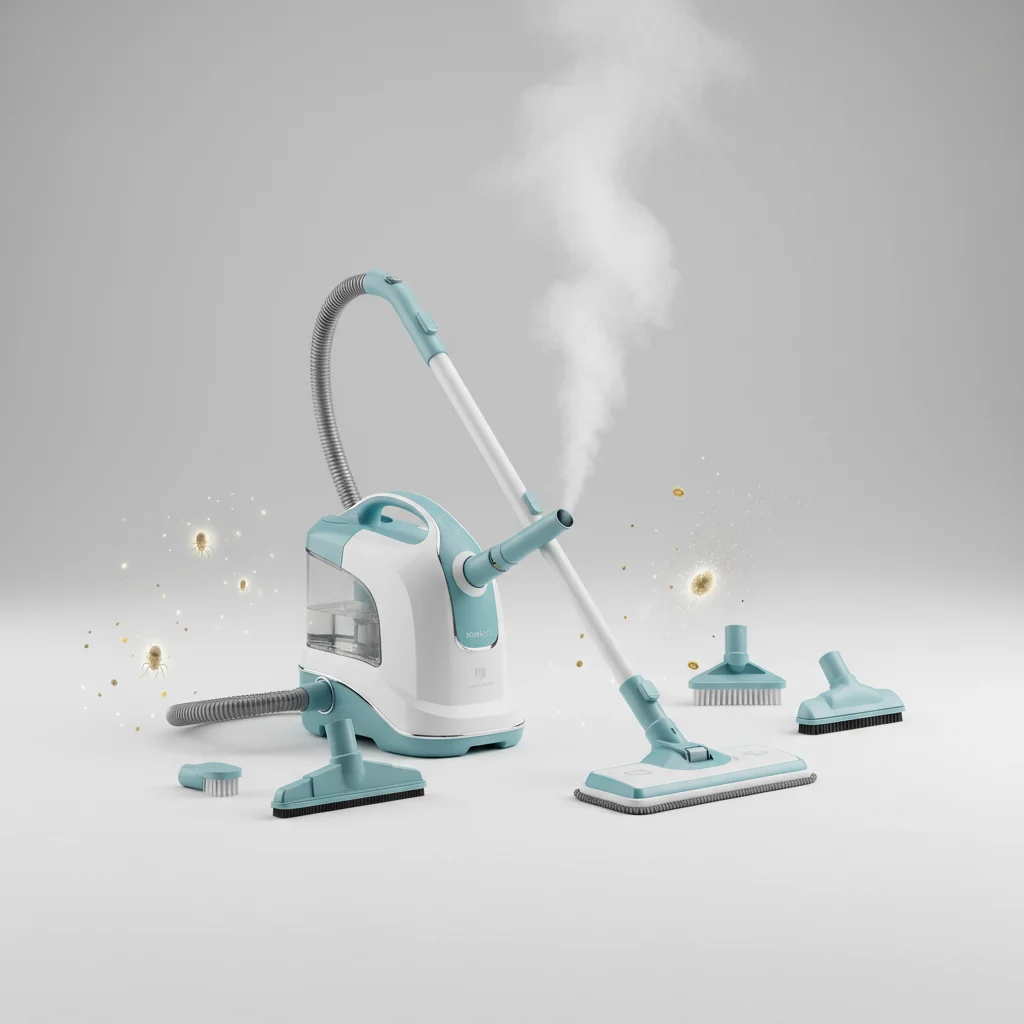
Yes, a steam cleaner can significantly help reduce allergy symptoms by eliminating common household allergens such as dust mites, pet dander, mold spores, and pollen from various surfaces. High-temperature steam effectively kills these microscopic irritants and sanitizes surfaces without the need for harsh chemicals, making it a powerful tool for allergy sufferers.
How Steam Cleaners Combat Allergens
Steam cleaners work by heating water to high temperatures, typically above 200°F (93°C), producing superheated steam. This steam penetrates surfaces, killing bacteria, viruses, and, crucially, allergens. For dust mites, the heat is lethal, and the moisture helps to lift their waste products, which are a major allergen. For pet dander, steam helps to loosen and remove the microscopic skin flakes that trigger reactions. Mold spores are also neutralized by the high heat, preventing their spread.
Unlike traditional cleaning methods that might stir up allergens or use chemicals that can irritate sensitive individuals, steam cleaning offers a chemical-free solution. This is particularly beneficial for those with respiratory allergies or chemical sensitivities.
Targeting Specific Allergens with Steam
Different allergens require specific approaches. For dust mites, focus on mattresses, pillows, upholstered furniture, and carpets. The steam penetrates deep into these fibers, killing mites and denaturing their allergens. For pet dander, regularly steam clean pet bedding, carpets, and any areas where pets frequently rest. Mold and mildew can be tackled in bathrooms, kitchens, and basements; the heat not only kills the mold but also helps to remove the dark stains it leaves behind.
Pollen, which can accumulate on curtains, window sills, and hard floors, can also be effectively removed with a steam cleaner. Regular steaming helps to keep these surfaces free of airborne particles that settle indoors.
Choosing the Right Steam Cleaner for Allergy Relief
|
Our Picks for the Best Steam Cleaner in 2026
As an Amazon Associate I earn from qualifying purchases.
|
||
| Num | Product | Action |
|---|---|---|
| 1 | Heavy Duty Steam Cleaner, 1500W High-Temperature Mop with 26 Accessories, 1.4L Portable Tank, Chemical-Free Cleaning for Floors, Tiles, Cars & More, Child Lock for Safety, Easy Operation |

|
| 2 | Steam Cleaner, Powerful Multi-Purpose Portable Steam Cleaner, Removes Dirt and Grease, Suitable for Multiple Uses and Various Floor Surfaces, Includes 23-Piece Accessory Kit, 16.4-Foot Power Cord |
|
| 3 | Heavy-Duty Steam Cleaner - 1500W Multipurpose Handheld Floor Steamer with 22 Accessories 16ft Cord for Home, Car Detailing, Tile, Grout, Carpet, Wallpaper, Upholstery, Window, Deep Cleaning |
|
| 4 | Amazon Basics Multipurpose Steam Cleaner for Home with 22 Accessories, Chemical-Free Cleaning, 51oz tank, 1500W, White |
|
| 5 | Steam Cleaner, Steam Cleaner For Home, Handheld Steamer For Cleaning With 21 Accessories, 248 °F High Temperature, Suitable for Grout, Floor. Sofas, Upholstery, White |
|
| 6 | McCulloch MC1385 Deluxe Canister Steam Cleaner, 2-Hour Runtime, Chemical-Free, 23 Accessories: Mop Head, Brushes & More - Built for Home, Tile, Carpet, Furniture, & Personal Car Detailing |
|
| 7 | TVD Steam Cleaner, Steamer for Cleaning with 26 Accessories, Steam Cleaner for Home with 5M Extra-Long Power Cord for Home Floor Cleaning, Tile Detailing, Grout, Upholstery. |
|
| 8 | Steam Cleaner, Portable Steamer for Cleaning with 16pcs Accessories, 6-Level Adjustable, 15s Heat-Up, Handheld Steam Cleaner for Home for Tile, Grease, Dirt, Grout, Car Detailing, Green |
|
| 9 | Wagner Spraytech C900054 905e AutoRight Multi-Purpose Steam Cleaner, 12 Accessories Included, Power Steamer for cleaning, Color May Vary |
|
| 10 | LABIGO 10-in-1 Steam Mop with Detachable Handheld Steamer, 350ml Tank, 10s Heat-Up, 248°F Steam Cleaner, 3-Level Control and Swivel Head for Floors, Carpets, Tiles, BBQ grill Multi-Surface Clean White |
|
When selecting a steam cleaner for allergy relief, consider models with strong steam pressure and a variety of attachments. Canister steam cleaners often provide sustained high temperatures and a wider range of tools for different surfaces. Handheld models are great for quick spot treatments and hard-to-reach areas. Look for features like adjustable steam settings, which allow you to tailor the steam intensity to the surface you’re cleaning, and a large water tank for longer cleaning sessions.
- High Temperature Output: Essential for killing dust mites and bacteria.
- Variety of Attachments: For cleaning different surfaces like upholstery, floors, and crevices.
- Continuous Steam Function: Allows for uninterrupted cleaning, crucial for larger areas.
- Large Water Tank: Reduces the need for frequent refills, making cleaning more efficient.
- Portability: Important if you plan to use it in multiple rooms or levels of your home.
Investing in a quality steam cleaner can make a noticeable difference in indoor air quality and overall allergy symptom management.
Best Practices for Allergy-Focused Steam Cleaning
To maximize the allergy-reducing benefits of your steam cleaner, establish a regular cleaning routine. Steam clean mattresses and upholstered furniture every 1-2 months, and carpets every 3-6 months, depending on the severity of allergies and pet presence. Hard surfaces like floors and countertops can be steamed weekly. Always vacuum thoroughly before steaming to remove loose debris, which allows the steam to penetrate more effectively.
Ensure proper ventilation during and after steaming to prevent excess moisture buildup, especially in areas prone to mold. While steam cleaners are highly effective, they are best used as part of a comprehensive allergy management plan that may also include air purifiers and allergen-proof bedding.
