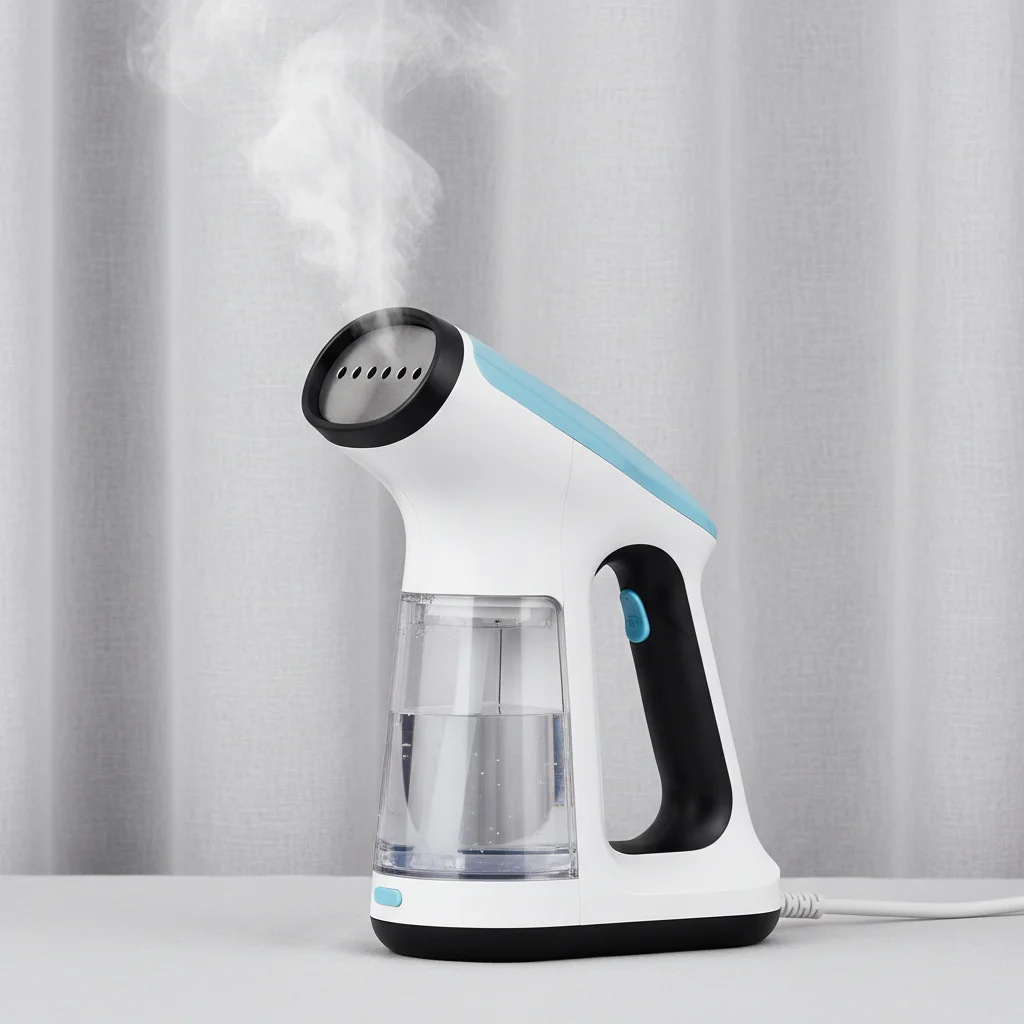
Using a steam cleaner for curtains can be a safe and effective method for deep cleaning and sanitizing, provided you follow specific guidelines for fabric type and steam settings. While steam cleaning offers a chemical-free way to refresh and remove allergens, it’s crucial to test a small, inconspicuous area first to prevent damage, especially on delicate materials like silk or velvet. For most common curtain fabrics such as cotton, linen, and polyester, steam cleaning can significantly improve their appearance and hygiene.
Understanding Curtain Fabric Compatibility with Steam
Before you even think about bringing a steam cleaner near your curtains, it’s essential to identify the fabric. Natural fibers like cotton and linen generally tolerate steam well, as do many synthetic blends like polyester. However, delicate materials such as silk, rayon, velvet, or certain embellished curtains with beads or sequins can be highly susceptible to damage from heat and moisture. Always check the care label on your curtains. If it says “dry clean only,” it’s best to heed that advice to avoid shrinking, discoloration, or irreversible damage. For unknown fabrics, a patch test is non-negotiable. For more reviews guides on this site.
Benefits of Steam Cleaning Your Curtains
Steam cleaning offers several advantages over traditional washing or dry cleaning for curtains. Firstly, it’s a powerful sanitizer, effectively killing dust mites, bacteria, and viruses without the need for harsh chemicals. This is particularly beneficial for allergy sufferers. Secondly, steam can help to relax wrinkles and creases, leaving your curtains looking crisp and refreshed. Thirdly, it can remove light stains and odors, extending the time between more intensive cleaning methods. Finally, steam cleaning can be done in situ, meaning you don’t have to go through the hassle of taking down and re-hanging heavy curtains.
- Eliminates dust mites and allergens.
- Removes wrinkles and freshens fabric.
- Sanitizes without harsh chemicals.
- Tackles light stains and odors.
- Convenient for in-place cleaning.
Step-by-Step Guide to Steam Cleaning Curtains
|
Our Picks for the Best Steam Cleaner in 2026
As an Amazon Associate I earn from qualifying purchases.
|
||
| Num | Product | Action |
|---|---|---|
| 1 | Heavy-Duty Steam Cleaner - 1500W Multipurpose Handheld Floor Steamer with 22 Accessories 16ft Cord for Home, Car Detailing, Tile, Grout, Carpet, Wallpaper, Upholstery, Window, Deep Cleaning |

|
| 2 | Wagner Spraytech C900054 905e AutoRight Multi-Purpose Steam Cleaner, 12 Accessories Included, Power Steamer for cleaning, Color May Vary |
|
| 3 | TVD Steam Cleaner, Steamer for Cleaning with 26 Accessories, Steam Cleaner for Home with 5M Extra-Long Power Cord for Home Floor Cleaning, Tile Detailing, Grout, Upholstery. |
|
| 4 | Steam Cleaner, Powerful Multi-Purpose Portable Steam Cleaner, Removes Dirt and Grease, Suitable for Multiple Uses and Various Floor Surfaces, Includes 23-Piece Accessory Kit, 16.4-Foot Power Cord |
|
| 5 | Steam Cleaner, Portable Steamer for Cleaning with 16pcs Accessories, 6-Level Adjustable, 15s Heat-Up, Handheld Steam Cleaner for Home for Tile, Grease, Dirt, Grout, Car Detailing, Green |
|
| 6 | Amazon Basics Multipurpose Steam Cleaner for Home with 22 Accessories, Chemical-Free Cleaning, 51oz tank, 1500W, White |
|
| 7 | McCulloch MC1385 Deluxe Canister Steam Cleaner, 2-Hour Runtime, Chemical-Free, 23 Accessories: Mop Head, Brushes & More - Built for Home, Tile, Carpet, Furniture, & Personal Car Detailing |
|
| 8 | LABIGO 10-in-1 Steam Mop with Detachable Handheld Steamer, 350ml Tank, 10s Heat-Up, 248°F Steam Cleaner, 3-Level Control and Swivel Head for Floors, Carpets, Tiles, BBQ grill Multi-Surface Clean White |
|
| 9 | Steam Cleaner, Steam Cleaner For Home, Handheld Steamer For Cleaning With 21 Accessories, 248 °F High Temperature, Suitable for Grout, Floor. Sofas, Upholstery, White |
|
| 10 | Heavy Duty Steam Cleaner, 1500W High-Temperature Mop with 26 Accessories, 1.4L Portable Tank, Chemical-Free Cleaning for Floors, Tiles, Cars & More, Child Lock for Safety, Easy Operation |
|
Once you’ve confirmed your curtains are steam-friendly, gather your tools: a handheld or upright steam cleaner with a fabric attachment, a clean microfiber cloth, and a ladder if needed. Start by vacuuming your curtains thoroughly to remove any loose dust or debris. Fill your steam cleaner with distilled water to prevent mineral buildup. Begin steaming from the top of the curtain, working your way down in even, slow strokes. Hold the nozzle a few inches away from the fabric, moving steadily to avoid oversaturating any one area. For stubborn wrinkles or light stains, you can gently blot with a clean microfiber cloth after steaming. Ensure adequate ventilation to help the curtains dry quickly and prevent mildew.
For optimal results, consider using a steam cleaner with adjustable steam settings. Lower settings are ideal for more delicate fabrics, while higher settings can be used for durable materials like heavy cotton or canvas. Always keep the steam moving and avoid holding it in one spot for too long.This model offers precise temperature control, making it suitable for a wide range of fabrics. After steaming, allow your curtains to air dry completely before closing them or adjusting their position. This usually takes a few hours, depending on the humidity and air circulation in the room.
Potential Risks and How to Avoid Them
While generally safe, there are risks associated with improper steam cleaning. Over-saturating the fabric can lead to water marks, shrinkage, or even mildew growth if the curtains don’t dry properly. High heat on delicate fabrics can cause permanent damage, including melting synthetic fibers or fading colors. To mitigate these risks, always perform a spot test on an inconspicuous area first. Observe how the fabric reacts to the steam and moisture. Use a clean, white cloth to check for color transfer. If you notice any adverse effects, stop immediately.This accessory kit includes various nozzles and brushes, allowing for more controlled application on different fabric types, reducing the risk of damage.

I’ve always wondered if a steam cleaner would be good for my polyester drapes. I followed the advice to test a small area first, and it was totally fine. It really helped get rid of some lingering odors and made them look less dusty. Not quite as ‘new’ as I hoped, but a huge improvement without having to take them down and wash them.
I was so nervous about cleaning my linen curtains because I didn’t want to shrink them or cause any water marks. After reading up on the best practices, I decided to try a handheld steam cleaner on a low setting. It worked wonders! My curtains look so much brighter and feel incredibly fresh. Definitely recommend this method for anyone with natural fiber curtains.
I tried using my steam cleaner on some old velvet curtains, even after seeing the warnings about delicate materials. While it did remove some surface dust, it also left a slight dampness that took a while to dry and made the pile look a bit flattened in spots. It wasn’t a disaster, but I wouldn’t recommend it for velvet unless you’re extremely careful and have a very gentle machine.
My cotton curtains always seemed to collect so much dust and allergens. I used my steam cleaner on them last weekend, focusing on the pleats and hems. It was amazing how much cleaner they looked and felt. Plus, it’s a chemical-free way to refresh them, which is a big win for my allergies. So glad I finally tried this!