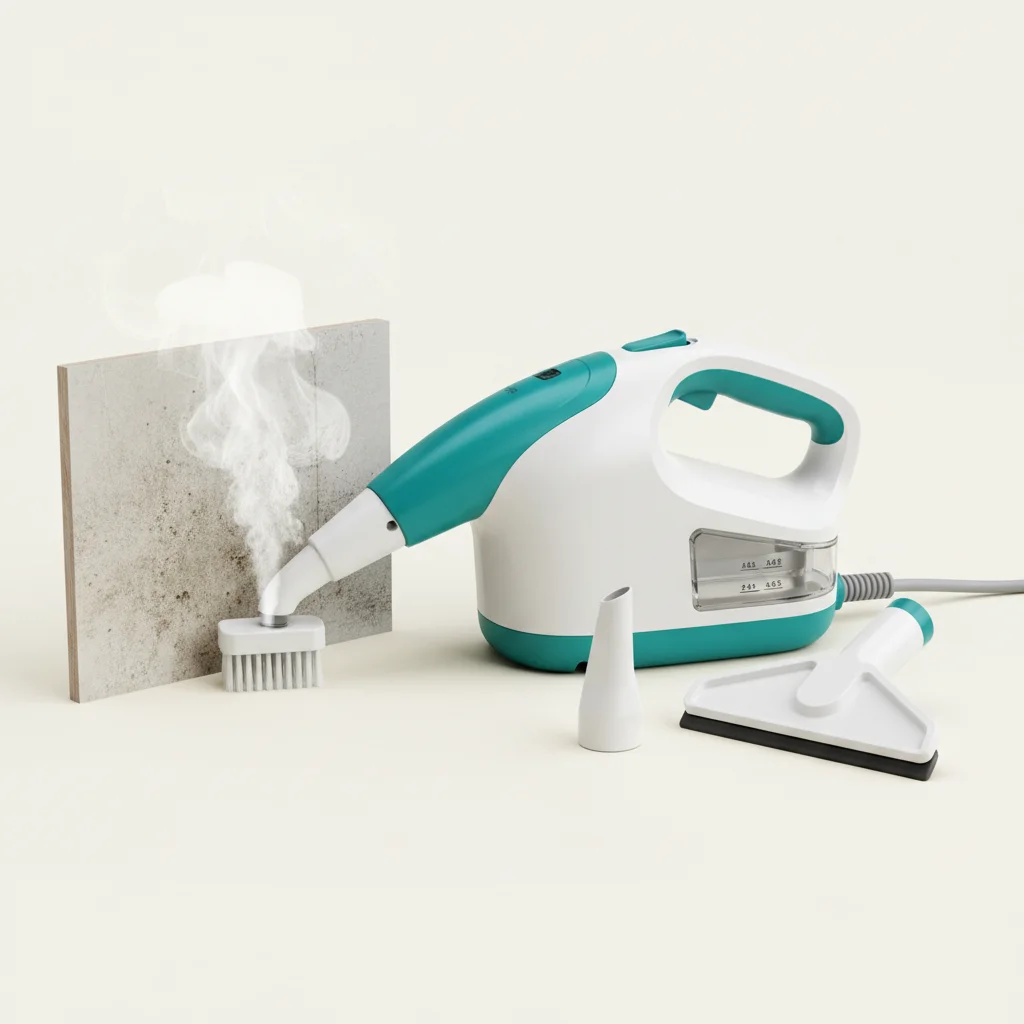
A steam cleaner is highly effective on most types of grout, particularly ceramic and porcelain tile grout. Its high-temperature steam penetrates porous surfaces, loosening dirt, grime, and mildew without the need for harsh chemicals. While it excels at deep cleaning, it’s important to understand its limitations with certain grout types and stains to achieve the best results.
How Steam Cleaners Tackle Grout Grime
Steam cleaners work by heating water to a high temperature, producing pressurized steam. When this steam is directed at grout lines, it rapidly heats the embedded dirt and grime, causing it to expand and detach from the grout surface. The high temperature also sanitizes the area, killing bacteria, mold, and mildew spores. This method is particularly effective for everyday dirt, soap scum, and light discoloration that accumulates in grout over time.
For optimal results, many steam cleaners come with specialized brushes or nozzles designed to concentrate the steam and provide agitation directly on the grout lines. This combination of heat, moisture, and mechanical action makes steam cleaning a powerful tool for restoring the original appearance of your grout.
Effectiveness on Different Grout Types
Steam cleaners are generally safe and effective for sealed and unsealed cement-based grout, as well as epoxy grout. For unsealed grout, the steam can penetrate deeper, but it’s crucial to re-seal the grout after cleaning to protect it from future staining. Epoxy grout, being less porous, cleans up very easily with steam. However, caution should be exercised with older, crumbling, or damaged grout, as the high pressure and heat could potentially worsen its condition. Always test a small, inconspicuous area first.
- Ceramic Tile Grout: Highly effective for deep cleaning and sanitizing.
- Porcelain Tile Grout: Excellent results due to its non-porous nature.
- Epoxy Grout: Very easy to clean and maintain with steam.
- Cement-Based Grout (Sealed/Unsealed): Effective, but re-sealing is recommended for unsealed types.
- Natural Stone Grout: Use with caution; consult stone care guidelines as some natural stones are sensitive to heat.
Addressing Stubborn Stains and Discoloration
|
Our Picks for the Best Steam Cleaner in 2026
As an Amazon Associate I earn from qualifying purchases.
|
||
| Num | Product | Action |
|---|---|---|
| 1 | Amazon Basics Multipurpose Steam Cleaner for Home with 22 Accessories, Chemical-Free Cleaning, 51oz tank, 1500W, White |

|
| 2 | Wagner Spraytech C900054 905e AutoRight Multi-Purpose Steam Cleaner, 12 Accessories Included, Power Steamer for cleaning, Color May Vary |
|
| 3 | Steam Cleaner, Portable Steamer for Cleaning with 16pcs Accessories, 6-Level Adjustable, 15s Heat-Up, Handheld Steam Cleaner for Home for Tile, Grease, Dirt, Grout, Car Detailing, Green |
|
| 4 | TVD Steam Cleaner, Steamer for Cleaning with 26 Accessories, Steam Cleaner for Home with 5M Extra-Long Power Cord for Home Floor Cleaning, Tile Detailing, Grout, Upholstery. |
|
| 5 | Steam Cleaner, Steam Cleaner For Home, Handheld Steamer For Cleaning With 21 Accessories, 248 °F High Temperature, Suitable for Grout, Floor. Sofas, Upholstery, White |
|
| 6 | Heavy-Duty Steam Cleaner - 1500W Multipurpose Handheld Floor Steamer with 22 Accessories 16ft Cord for Home, Car Detailing, Tile, Grout, Carpet, Wallpaper, Upholstery, Window, Deep Cleaning |
|
| 7 | LABIGO 10-in-1 Steam Mop with Detachable Handheld Steamer, 350ml Tank, 10s Heat-Up, 248°F Steam Cleaner, 3-Level Control and Swivel Head for Floors, Carpets, Tiles, BBQ grill Multi-Surface Clean White |
|
| 8 | Heavy Duty Steam Cleaner, 1500W High-Temperature Mop with 26 Accessories, 1.4L Portable Tank, Chemical-Free Cleaning for Floors, Tiles, Cars & More, Child Lock for Safety, Easy Operation |
|
| 9 | Steam Cleaner, Powerful Multi-Purpose Portable Steam Cleaner, Removes Dirt and Grease, Suitable for Multiple Uses and Various Floor Surfaces, Includes 23-Piece Accessory Kit, 16.4-Foot Power Cord |
|
| 10 | McCulloch MC1385 Deluxe Canister Steam Cleaner, 2-Hour Runtime, Chemical-Free, 23 Accessories: Mop Head, Brushes & More - Built for Home, Tile, Carpet, Furniture, & Personal Car Detailing |
|
While steam cleaners are powerful, some deeply embedded or oil-based stains may require pre-treatment. For instance, rust stains or permanent dyes might not be fully removed by steam alone. In such cases, applying a suitable grout cleaner or poultice designed for the specific stain type before steaming can significantly improve results. After applying the pre-treatment, allow it to dwell as per product instructions, then follow up with your steam cleaner to lift and remove the loosened residue.
Regular steam cleaning can prevent the build-up of stubborn stains, making your cleaning routine easier and more effective in the long run. Consider investing in a model with strong steam pressure and a variety of brush attachments for tackling different levels of grime.
Maintaining Grout After Steam Cleaning
After steam cleaning, especially for unsealed cementitious grout, it’s highly recommended to apply a high-quality grout sealer. This creates a protective barrier that repels water, dirt, and stains, making future cleaning much simpler and extending the life of your grout. Allow the grout to dry completely before applying the sealer, following the manufacturer’s instructions for application and curing time.
Regular maintenance, such as wiping up spills immediately and routine light cleaning, will help preserve the cleanliness achieved by steam cleaning. For high-traffic areas or bathrooms, consider steam cleaning your grout every 2-3 months to prevent significant build-up.
Safety Precautions When Steam Cleaning Grout
Always wear appropriate personal protective equipment, such as gloves and safety glasses, when operating a steam cleaner. The steam is extremely hot and can cause burns. Ensure proper ventilation in the area you are cleaning to prevent moisture build-up. Keep children and pets away from the cleaning area. Before starting, always read your steam cleaner’s instruction manual for specific safety guidelines and operating procedures. Avoid directing steam at electrical outlets or sensitive surfaces that could be damaged by heat or moisture.

I’ve been looking for a better way to clean the grout in my entryway, which gets a lot of foot traffic and accumulates dirt quickly. The explanation of how steam cleaners work by causing dirt to expand and detach really made sense. I used it on my porcelain tile grout, and it made a noticeable difference. It’s much faster than scrubbing by hand, and I appreciate the sanitizing effect too.
I bought a steam cleaner specifically for my bathroom grout, which is a mix of porcelain and some older, more porous grout. While it did a decent job on the porcelain, I found it wasn’t as effective on the really deep-set mildew stains in the older grout, even with the high-temperature steam. It definitely helped with the everyday grime, but I still had to do some scrubbing for the tougher spots. Maybe my expectations were too high for those really old stains.
I was skeptical about using a steam cleaner for my kitchen grout, especially with all the cooking grease that gets embedded. But after reading about how the high-temperature steam loosens dirt, I gave it a shot. It worked wonders on my ceramic tile grout! No harsh chemicals needed, which is a huge plus for me and my pets. My kitchen floor hasn’t looked this good in years.
This is a game-changer for my shower grout! I was tired of using strong chemical cleaners that made my bathroom smell awful. The idea that the steam kills bacteria, mold, and mildew spores without chemicals was exactly what I needed. My shower grout, which is ceramic, looks so much cleaner and brighter now. It’s surprisingly satisfying to see the grime just lift away.