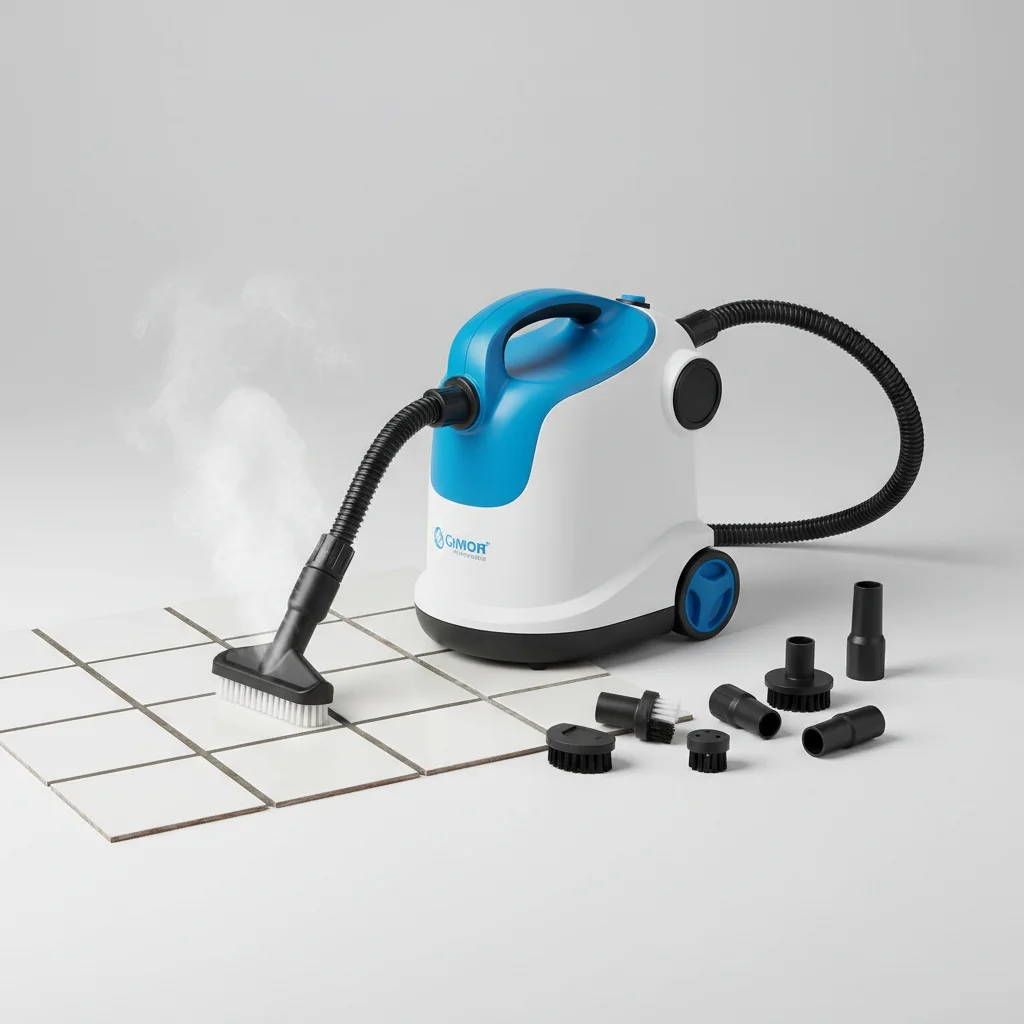
Using a steam cleaner for grout is generally safe and highly effective for deep cleaning, provided you use the correct technique and avoid excessive pressure or heat on delicate surfaces. Steam cleaners utilize high-temperature steam to loosen dirt, grime, and mold from porous grout lines, making it easier to wipe away without harsh chemicals. This method is particularly effective for tackling stubborn stains that traditional scrubbing often misses.
Understanding How Steam Cleaners Work on Grout
Steam cleaners work by heating water to a high temperature, producing pressurized steam. When this steam is directed at grout lines, the heat and moisture penetrate the pores, breaking down accumulated dirt, grease, and even mildew. The high temperature also sanitizes the surface, killing bacteria and other microorganisms without the need for chemical disinfectants. This makes it an excellent choice for maintaining a hygienic environment in kitchens and bathrooms.
The effectiveness of a steam cleaner on grout largely depends on the model’s steam pressure and temperature. Higher pressure helps dislodge embedded dirt more efficiently, while higher temperatures ensure better sanitization. For optimal results, it’s crucial to use a steam cleaner with appropriate attachments, such as a small brush or nozzle, to concentrate the steam directly onto the grout lines.
Choosing the Right Steam Cleaner and Attachments
When selecting a steam cleaner for grout, look for models that offer a variety of attachments. A small, stiff brush attachment is ideal for scrubbing loosened dirt from grout lines, while a pointed nozzle can deliver concentrated steam into tight spaces. Canister steam cleaners often provide the best combination of sustained steam pressure and versatile attachments, making them a superior choice for extensive grout cleaning tasks.
Consider the water tank capacity as well; a larger tank means less frequent refilling, allowing for more continuous cleaning. Ensure the steam cleaner has adjustable steam settings, which can be beneficial for different types of grout and varying levels of dirt. Always check the manufacturer’s recommendations for use on your specific type of flooring.
Step-by-Step Guide to Steam Cleaning Grout
|
Our Picks for the Best Steam Cleaner in 2026
As an Amazon Associate I earn from qualifying purchases.
|
||
| Num | Product | Action |
|---|---|---|
| 1 | Amazon Basics Multipurpose Steam Cleaner for Home with 22 Accessories, Chemical-Free Cleaning, 51oz tank, 1500W, White |

|
| 2 | McCulloch MC1385 Deluxe Canister Steam Cleaner, 2-Hour Runtime, Chemical-Free, 23 Accessories: Mop Head, Brushes & More - Built for Home, Tile, Carpet, Furniture, & Personal Car Detailing |
|
| 3 | TVD Steam Cleaner, Steamer for Cleaning with 26 Accessories, Steam Cleaner for Home with 5M Extra-Long Power Cord for Home Floor Cleaning, Tile Detailing, Grout, Upholstery. |
|
| 4 | Steam Cleaner, Steam Cleaner For Home, Handheld Steamer For Cleaning With 21 Accessories, 248 °F High Temperature, Suitable for Grout, Floor. Sofas, Upholstery, White |
|
| 5 | Wagner Spraytech C900054 905e AutoRight Multi-Purpose Steam Cleaner, 12 Accessories Included, Power Steamer for cleaning, Color May Vary |
|
| 6 | Heavy Duty Steam Cleaner, 1500W High-Temperature Mop with 26 Accessories, 1.4L Portable Tank, Chemical-Free Cleaning for Floors, Tiles, Cars & More, Child Lock for Safety, Easy Operation |
|
| 7 | LABIGO 10-in-1 Steam Mop with Detachable Handheld Steamer, 350ml Tank, 10s Heat-Up, 248°F Steam Cleaner, 3-Level Control and Swivel Head for Floors, Carpets, Tiles, BBQ grill Multi-Surface Clean White |
|
| 8 | Steam Cleaner, Portable Steamer for Cleaning with 16pcs Accessories, 6-Level Adjustable, 15s Heat-Up, Handheld Steam Cleaner for Home for Tile, Grease, Dirt, Grout, Car Detailing, Green |
|
| 9 | Steam Cleaner, Powerful Multi-Purpose Portable Steam Cleaner, Removes Dirt and Grease, Suitable for Multiple Uses and Various Floor Surfaces, Includes 23-Piece Accessory Kit, 16.4-Foot Power Cord |
|
| 10 | Heavy-Duty Steam Cleaner - 1500W Multipurpose Handheld Floor Steamer with 22 Accessories 16ft Cord for Home, Car Detailing, Tile, Grout, Carpet, Wallpaper, Upholstery, Window, Deep Cleaning |
|
Before you begin, sweep or vacuum the floor to remove loose debris. This prevents dirt from turning into muddy residue when it mixes with steam. Next, fill the steam cleaner’s reservoir with distilled water to prevent mineral buildup, which can clog the machine over time. Allow the unit to heat up to its optimal temperature, indicated by a ready light or sound.
- Attach the appropriate brush or nozzle for grout cleaning.
- Direct the steam nozzle at a small section of grout, holding it a few inches away.
- Move the nozzle slowly along the grout line, allowing the steam to penetrate.
- Use the brush attachment to gently scrub the loosened dirt.
- Wipe away the dirty residue with a clean microfiber cloth.
Work in small sections to ensure thorough cleaning and to prevent the loosened dirt from drying back onto the surface. For heavily soiled areas, you may need to repeat the steaming and scrubbing process. Always ensure proper ventilation, especially in enclosed spaces like bathrooms.
Safety Precautions and Best Practices
While steam cleaning is generally safe, it’s important to take precautions. Always wear protective gloves and eye protection to guard against hot steam and splashes. Avoid directing steam at electrical outlets or delicate surfaces that cannot withstand high heat or moisture. Test the steam cleaner on an inconspicuous area of your grout first to ensure it doesn’t cause any discoloration or damage.
Do not over-saturate the grout or surrounding tiles, as excessive moisture can lead to issues like mold growth or damage to subflooring, particularly with unsealed grout. After cleaning, allow the grout to dry completely before walking on it or applying any sealants. Regular steam cleaning, perhaps once every few months, can help maintain the cleanliness and longevity of your grout.
When to Avoid Steam Cleaning Grout
While effective, steam cleaning isn’t suitable for all types of grout. If your grout is unsealed and very old or damaged, the high pressure and moisture from a steam cleaner could potentially cause further deterioration or dislodge grout particles. In such cases, it’s advisable to consult with a professional cleaner or consider regrouting before attempting steam cleaning.
Also, avoid using steam cleaners on painted grout or grout that has been recently sealed, as the heat can strip away the paint or sealant. Always verify the compatibility of your grout and flooring materials with steam cleaning before proceeding. When in doubt, a gentle manual cleaning method might be a safer alternative.
