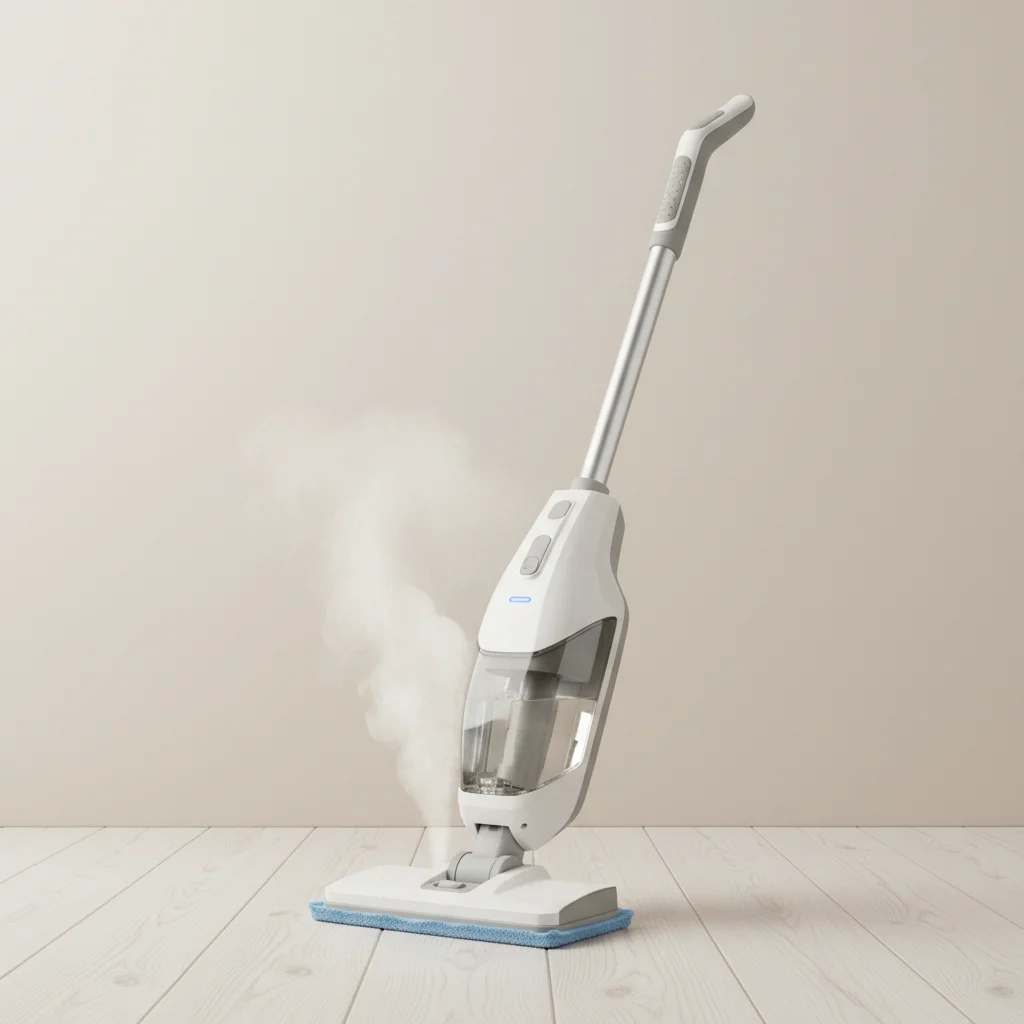
Using a steam cleaner on hardwood floors can be safe and effective, provided you use the correct type of steam cleaner and follow specific guidelines. While steam offers a powerful, chemical-free cleaning method, excessive moisture or high heat can damage hardwood. The key is to use a steam mop designed specifically for sealed hardwood, which typically emits less steam and dries quickly, minimizing water exposure. For unsealed or waxed hardwood, steam cleaning is generally not recommended due to the risk of moisture damage and stripping the finish.
Understanding Hardwood Floor Types and Steam Cleaning Compatibility
Before you even consider a steam cleaner, it’s crucial to identify your hardwood floor’s finish. Sealed hardwood floors, which are most common in modern homes, have a protective layer of polyurethane, urethane, or similar finishes. This seal acts as a barrier against moisture, making them more amenable to steam cleaning. Unsealed or waxed hardwood, on the other hand, lacks this protective layer, making it highly susceptible to water damage, warping, and dulling from steam. Always test a small, inconspicuous area first, regardless of your floor type, to ensure no adverse reactions occur. For expert reviews reviews on this site.
Choosing the Right Steam Cleaner for Hardwood
Not all steam cleaners are created equal, especially when it comes to delicate surfaces like hardwood. Opt for a steam mop or a steam cleaner with a specific hardwood floor setting. These models are designed to produce a drier steam and often come with microfiber pads that absorb moisture quickly. Avoid heavy-duty canister steam cleaners that generate a large volume of steam, as these are better suited for tile or grout. Look for features like adjustable steam settings, quick drying times, and soft, absorbent pads to ensure a gentle yet effective clean.
- Adjustable steam settings for lower moisture output.
- Microfiber pads designed for quick absorption.
- Lightweight and easy to maneuver to prevent prolonged heat exposure.
- Quick heat-up time for efficient cleaning.
- Built-in water filtration to prevent mineral deposits.
Best Practices for Steam Cleaning Hardwood Floors
|
Our Picks for the Best Steam Cleaner in 2026
As an Amazon Associate I earn from qualifying purchases.
|
||
| Num | Product | Action |
|---|---|---|
| 1 | Heavy Duty Steam Cleaner, 1500W High-Temperature Mop with 26 Accessories, 1.4L Portable Tank, Chemical-Free Cleaning for Floors, Tiles, Cars & More, Child Lock for Safety, Easy Operation |

|
| 2 | Wagner Spraytech C900054 905e AutoRight Multi-Purpose Steam Cleaner, 12 Accessories Included, Power Steamer for cleaning, Color May Vary |
|
| 3 | Steam Cleaner, Powerful Multi-Purpose Portable Steam Cleaner, Removes Dirt and Grease, Suitable for Multiple Uses and Various Floor Surfaces, Includes 23-Piece Accessory Kit, 16.4-Foot Power Cord |
|
| 4 | Heavy-Duty Steam Cleaner - 1500W Multipurpose Handheld Floor Steamer with 22 Accessories 16ft Cord for Home, Car Detailing, Tile, Grout, Carpet, Wallpaper, Upholstery, Window, Deep Cleaning |
|
| 5 | McCulloch MC1385 Deluxe Canister Steam Cleaner, 2-Hour Runtime, Chemical-Free, 23 Accessories: Mop Head, Brushes & More - Built for Home, Tile, Carpet, Furniture, & Personal Car Detailing |
|
| 6 | Steam Cleaner, Steam Cleaner For Home, Handheld Steamer For Cleaning With 21 Accessories, 248 °F High Temperature, Suitable for Grout, Floor. Sofas, Upholstery, White |
|
| 7 | Steam Cleaner, Portable Steamer for Cleaning with 16pcs Accessories, 6-Level Adjustable, 15s Heat-Up, Handheld Steam Cleaner for Home for Tile, Grease, Dirt, Grout, Car Detailing, Green |
|
| 8 | TVD Steam Cleaner, Steamer for Cleaning with 26 Accessories, Steam Cleaner for Home with 5M Extra-Long Power Cord for Home Floor Cleaning, Tile Detailing, Grout, Upholstery. |
|
| 9 | LABIGO 10-in-1 Steam Mop with Detachable Handheld Steamer, 350ml Tank, 10s Heat-Up, 248°F Steam Cleaner, 3-Level Control and Swivel Head for Floors, Carpets, Tiles, BBQ grill Multi-Surface Clean White |
|
| 10 | Amazon Basics Multipurpose Steam Cleaner for Home with 22 Accessories, Chemical-Free Cleaning, 51oz tank, 1500W, White |
|
Even with the right equipment, proper technique is vital to protect your hardwood floors. First, thoroughly sweep or vacuum your floors to remove any loose dirt, dust, or debris. This prevents scratching and ensures the steam cleaner can focus on embedded grime. Use the lowest steam setting possible and move the steam cleaner continuously and quickly across the floor. Avoid letting the steam cleaner sit in one spot for too long, as this can lead to excessive moisture accumulation. For stubborn spots, a quick, focused pass is better than prolonged exposure. Always ensure the floor is completely dry within a minute or two after cleaning. If it remains wet, you might be using too much steam or moving too slowly.
After cleaning, allow your floors to air dry completely before walking on them or replacing furniture. This final drying period helps prevent any lingering moisture from causing damage. Regularly check the microfiber pads and replace them when they become dirty to maintain optimal cleaning performance and prevent streaks. For an excellent option, consider thewhich is specifically designed with hardwood floor safety in mind. Another highly-rated choice for its gentle yet effective cleaning on sealed hardwood is the.
When to Avoid Steam Cleaning Hardwood
While steam cleaning can be beneficial for sealed hardwood, there are specific scenarios where it should be avoided entirely. As mentioned, unsealed, waxed, or oiled hardwood floors are not suitable for steam cleaning. Additionally, if your hardwood floors have any gaps, cracks, or loose planks, steam can penetrate these openings, leading to significant water damage, swelling, and warping. Floors that have recently been refinished or installed should also be given ample time to cure completely before any form of wet cleaning, including steam. If you’re unsure about your floor’s finish or condition, consult with a flooring professional before proceeding with steam cleaning to prevent costly damage.
