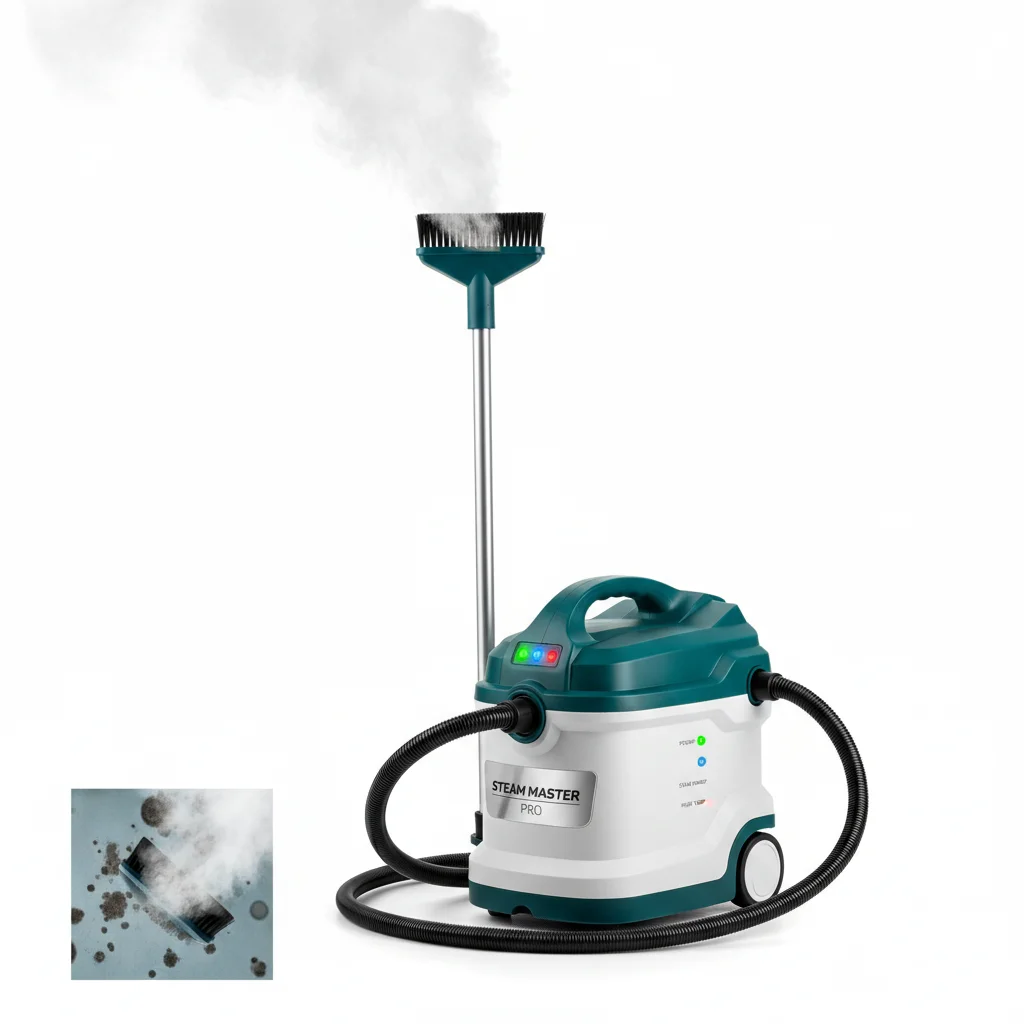
Using a steam cleaner for mold removal can be effective for surface mold on non-porous materials, but it is not a standalone solution for extensive or deeply embedded mold. Steam cleaners use high temperatures to kill mold spores and bacteria, making them a useful tool for light mold remediation. However, they do not remove the underlying moisture source that causes mold, nor do they penetrate porous surfaces like drywall or wood to eliminate hidden mold growth.
How Steam Cleaners Combat Mold
Steam cleaners work by heating water to temperatures typically above 200°F (93°C), producing superheated steam. This high temperature is lethal to mold spores and mycelia on contact. The heat denatures the proteins in mold, effectively killing it. This method is chemical-free, making it an attractive option for those sensitive to harsh cleaning agents. It’s particularly effective on hard, non-porous surfaces such as tiles, glass, sealed countertops, and some plastics. For expert reviews reviews on this site.
For optimal results, ensure the steam cleaner reaches a consistent high temperature. Many models offer various attachments, such as brushes and nozzles, which can help dislodge mold and mildew from crevices and textured surfaces. Always ventilate the area well during and after cleaning to prevent moisture buildup.
Limitations and Risks of Using Steam for Mold
While effective for surface mold, steam cleaners have significant limitations. They introduce moisture, which, if not properly dried, can exacerbate mold growth, especially in humid environments. Steam cannot penetrate porous materials like wood, drywall, insulation, or fabrics deeply enough to kill mold roots, meaning the mold may reappear. For extensive mold infestations, professional remediation is necessary.
Furthermore, disturbing mold with steam can release spores into the air, potentially causing respiratory issues or spreading the mold to other areas. Always wear appropriate personal protective equipment (PPE), including an N95 respirator, gloves, and eye protection, when dealing with mold. Ensure the area is well-ventilated to minimize spore inhalation.
When to Use a Steam Cleaner for Mold
|
Our Picks for the Best Steam Cleaner in 2026
As an Amazon Associate I earn from qualifying purchases.
|
||
| Num | Product | Action |
|---|---|---|
| 1 | Steam Cleaner, Portable Steamer for Cleaning with 16pcs Accessories, 6-Level Adjustable, 15s Heat-Up, Handheld Steam Cleaner for Home for Tile, Grease, Dirt, Grout, Car Detailing, Green |

|
| 2 | Heavy Duty Steam Cleaner, 1500W High-Temperature Mop with 26 Accessories, 1.4L Portable Tank, Chemical-Free Cleaning for Floors, Tiles, Cars & More, Child Lock for Safety, Easy Operation |
|
| 3 | Amazon Basics Multipurpose Steam Cleaner for Home with 22 Accessories, Chemical-Free Cleaning, 51oz tank, 1500W, White |
|
| 4 | Wagner Spraytech C900054 905e AutoRight Multi-Purpose Steam Cleaner, 12 Accessories Included, Power Steamer for cleaning, Color May Vary |
|
| 5 | TVD Steam Cleaner, Steamer for Cleaning with 26 Accessories, Steam Cleaner for Home with 5M Extra-Long Power Cord for Home Floor Cleaning, Tile Detailing, Grout, Upholstery. |
|
| 6 | Steam Cleaner, Steam Cleaner For Home, Handheld Steamer For Cleaning With 21 Accessories, 248 °F High Temperature, Suitable for Grout, Floor. Sofas, Upholstery, White |
|
| 7 | LABIGO 10-in-1 Steam Mop with Detachable Handheld Steamer, 350ml Tank, 10s Heat-Up, 248°F Steam Cleaner, 3-Level Control and Swivel Head for Floors, Carpets, Tiles, BBQ grill Multi-Surface Clean White |
|
| 8 | McCulloch MC1385 Deluxe Canister Steam Cleaner, 2-Hour Runtime, Chemical-Free, 23 Accessories: Mop Head, Brushes & More - Built for Home, Tile, Carpet, Furniture, & Personal Car Detailing |
|
| 9 | Steam Cleaner, Powerful Multi-Purpose Portable Steam Cleaner, Removes Dirt and Grease, Suitable for Multiple Uses and Various Floor Surfaces, Includes 23-Piece Accessory Kit, 16.4-Foot Power Cord |
|
| 10 | Heavy-Duty Steam Cleaner - 1500W Multipurpose Handheld Floor Steamer with 22 Accessories 16ft Cord for Home, Car Detailing, Tile, Grout, Carpet, Wallpaper, Upholstery, Window, Deep Cleaning |
|
A steam cleaner is best suited for small, localized patches of surface mold on non-porous materials. Examples include mold on bathroom tiles, shower doors, kitchen sinks, or sealed appliance surfaces. It can also be useful for cleaning grout lines where mold often accumulates superficially. For these applications, a handheld or canister steam cleaner with a detail nozzle can provide targeted heat and pressure.
It is crucial to address the source of the moisture that caused the mold in the first place. Without fixing leaks, improving ventilation, or reducing humidity, mold will inevitably return. After steaming, thoroughly dry the area with a clean cloth or fan to prevent re-growth.
- Identify and fix the moisture source before cleaning.
- Wear an N95 respirator, gloves, and eye protection.
- Use on small, non-porous surfaces only.
- Ensure adequate ventilation during and after cleaning.
- Thoroughly dry the treated area immediately.
Recommended Steam Cleaners for Light Mold Remediation
For tackling small mold spots, a powerful handheld or compact canister steam cleaner is ideal. Look for models that offer consistent high steam temperatures and a variety of attachments for different surfaces. Portability is also a key factor, allowing you to easily maneuver the cleaner into tight spaces where mold often hides.
Consider models with a quick heat-up time and a decent water tank capacity to avoid frequent refills. Some steam cleaners also come with specialized brushes that can help scrub away stubborn mold stains. Always read the manufacturer’s instructions carefully before use to ensure safe and effective operation.
Safety Precautions and Post-Cleaning Steps
Safety is paramount when using a steam cleaner for mold. Beyond PPE, ensure the area is clear of children and pets. Avoid directing steam at electrical outlets or sensitive electronics. After steaming, use a clean, dry cloth to wipe away any remaining moisture and dead mold spores. Dispose of the cloth in a sealed bag to prevent spore dispersal.
Monitor the treated area for several days to ensure the mold does not return. If mold reappears or if the infestation is larger than a few square feet, it is advisable to consult with a professional mold remediation specialist. They can identify hidden mold, address the root cause, and safely remove all traces of the fungus.
