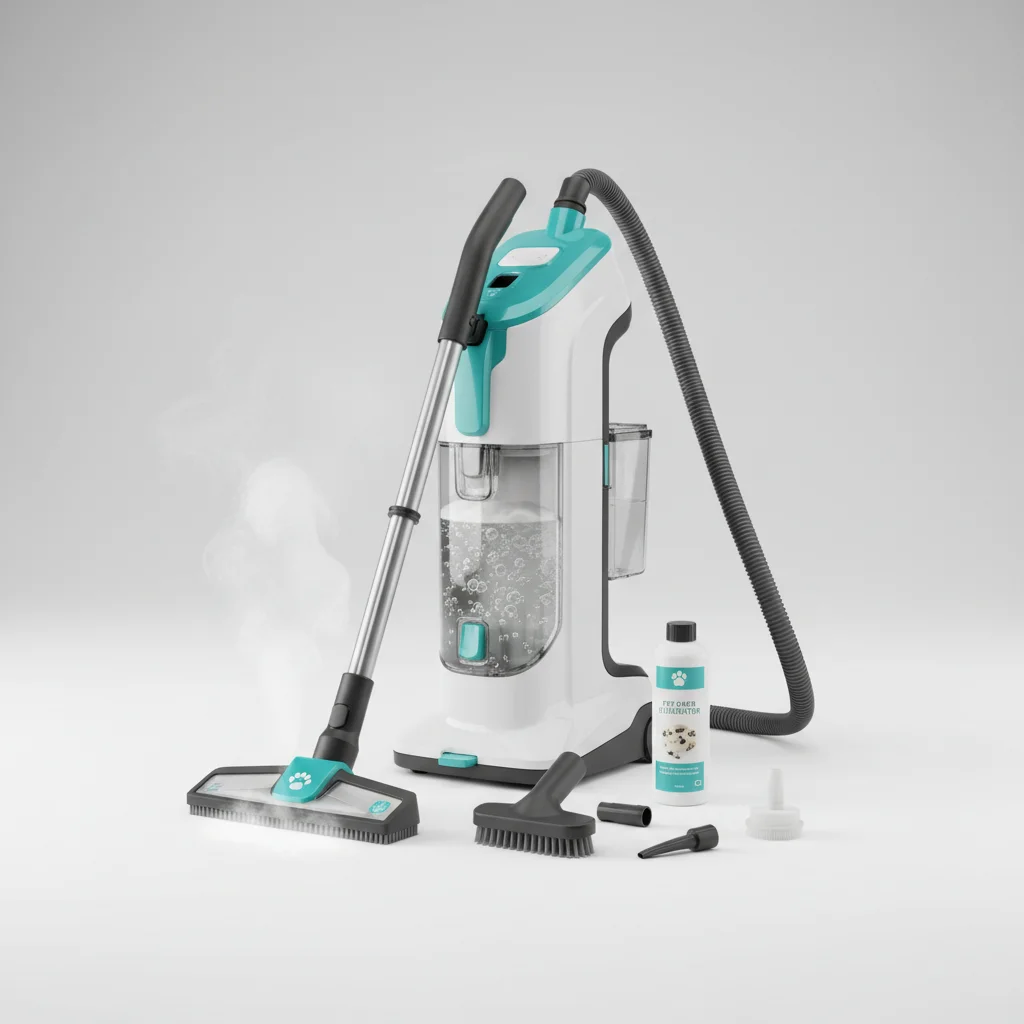
Using a steam cleaner for pet urine can be an effective method for cleaning and sanitizing surfaces, but its ability to completely eliminate odors depends on several factors, including the age of the stain and the type of surface. While steam can kill bacteria and break down some odor-causing compounds, it often needs to be combined with other cleaning agents or techniques for complete odor removal, especially for older or deeply set stains.
How Steam Cleaners Tackle Pet Urine Stains
Steam cleaners work by heating water to a high temperature, producing steam that can penetrate surfaces. This high heat is effective at killing bacteria, viruses, and other microorganisms that contribute to the foul smell of pet urine. The steam also helps to loosen and lift the urine residue from fibers and pores, making it easier to extract. However, steam alone may not fully neutralize the uric acid crystals found in pet urine, which are often the primary source of persistent odors.
For optimal results, it’s often recommended to pre-treat the stain with an enzymatic cleaner designed for pet odors. These cleaners break down the uric acid into gases and water, effectively neutralizing the odor at its source. After the enzymatic cleaner has had time to work, using a steam cleaner can then help to rinse away any remaining residue and further sanitize the area.
Surfaces Where Steam Cleaning is Most Effective
Steam cleaners are particularly effective on hard, non-porous surfaces such as tile, sealed concrete, and linoleum, where pet urine tends to sit on the surface rather than soaking in deeply. On these surfaces, steam can easily lift the stain and sanitize the area without much risk of spreading the odor. For carpets and upholstery, steam cleaning can be beneficial, but caution is advised to avoid over-wetting, which can push the urine deeper into the padding or fabric, potentially exacerbating the odor problem.
When cleaning carpets or upholstery, use a steam cleaner with good suction to extract as much moisture as possible. Consider using a spot-cleaning attachment for targeted treatment. Always test a small, inconspicuous area first to ensure the steam cleaner does not damage or discolor the material.
Tips for Maximizing Odor Removal with a Steam Cleaner
|
Our Picks for the Best Steam Cleaner in 2026
As an Amazon Associate I earn from qualifying purchases.
|
||
| Num | Product | Action |
|---|---|---|
| 1 | LABIGO 10-in-1 Steam Mop with Detachable Handheld Steamer, 350ml Tank, 10s Heat-Up, 248°F Steam Cleaner, 3-Level Control and Swivel Head for Floors, Carpets, Tiles, BBQ grill Multi-Surface Clean White |

|
| 2 | Heavy-Duty Steam Cleaner - 1500W Multipurpose Handheld Floor Steamer with 22 Accessories 16ft Cord for Home, Car Detailing, Tile, Grout, Carpet, Wallpaper, Upholstery, Window, Deep Cleaning |
|
| 3 | Wagner Spraytech C900054 905e AutoRight Multi-Purpose Steam Cleaner, 12 Accessories Included, Power Steamer for cleaning, Color May Vary |
|
| 4 | Heavy Duty Steam Cleaner, 1500W High-Temperature Mop with 26 Accessories, 1.4L Portable Tank, Chemical-Free Cleaning for Floors, Tiles, Cars & More, Child Lock for Safety, Easy Operation |
|
| 5 | Steam Cleaner, Steam Cleaner For Home, Handheld Steamer For Cleaning With 21 Accessories, 248 °F High Temperature, Suitable for Grout, Floor. Sofas, Upholstery, White |
|
| 6 | Steam Cleaner, Powerful Multi-Purpose Portable Steam Cleaner, Removes Dirt and Grease, Suitable for Multiple Uses and Various Floor Surfaces, Includes 23-Piece Accessory Kit, 16.4-Foot Power Cord |
|
| 7 | McCulloch MC1385 Deluxe Canister Steam Cleaner, 2-Hour Runtime, Chemical-Free, 23 Accessories: Mop Head, Brushes & More - Built for Home, Tile, Carpet, Furniture, & Personal Car Detailing |
|
| 8 | Amazon Basics Multipurpose Steam Cleaner for Home with 22 Accessories, Chemical-Free Cleaning, 51oz tank, 1500W, White |
|
| 9 | Steam Cleaner, Portable Steamer for Cleaning with 16pcs Accessories, 6-Level Adjustable, 15s Heat-Up, Handheld Steam Cleaner for Home for Tile, Grease, Dirt, Grout, Car Detailing, Green |
|
| 10 | TVD Steam Cleaner, Steamer for Cleaning with 26 Accessories, Steam Cleaner for Home with 5M Extra-Long Power Cord for Home Floor Cleaning, Tile Detailing, Grout, Upholstery. |
|
To achieve the best results when using a steam cleaner for pet urine and odor removal, follow these essential tips:
- Act Quickly: Address pet urine stains as soon as they occur. Fresh stains are much easier to remove and deodorize than old, set-in ones.
- Blot, Don’t Rub: Before steaming, blot up as much urine as possible with clean cloths or paper towels. Rubbing can push the urine deeper into the fibers.
- Use Enzymatic Cleaners: Pre-treat the stain with a high-quality enzymatic pet odor remover. Allow it to dwell for the recommended time before steaming.
- Avoid Over-Wetting: While steam is effective, excessive moisture can lead to mold and mildew, and can also spread the urine. Use the steam cleaner sparingly and ensure good ventilation.
- Repeat if Necessary: For stubborn odors, you may need to repeat the cleaning process, including the enzymatic treatment and steaming, multiple times.
When to Consider Professional Help
While a steam cleaner can be a powerful tool in your cleaning arsenal, there are instances where professional help may be necessary. If pet urine has soaked into subflooring, carpet padding, or drywall, the odor can become deeply embedded and difficult to remove with home methods. Professionals have access to industrial-grade equipment and specialized chemicals that can penetrate deeper and neutralize odors more effectively.
Persistent odors, especially in multiple areas or from long-standing accidents, often indicate a more extensive contamination that requires a comprehensive approach. A professional cleaner can assess the extent of the damage and recommend the most appropriate remediation strategy, ensuring your home is truly free of pet urine odors.
Recommended Steam Cleaner Features for Pet Owners
When selecting a steam cleaner for pet messes, look for models with strong suction capabilities, especially if you plan to use it on carpets or upholstery. A variety of attachments, such as detail nozzles and upholstery tools, can also be very beneficial for targeting specific areas and types of stains. Consider models with a large water tank for extended cleaning sessions without frequent refills.
Some steam cleaners also offer variable steam control, allowing you to adjust the intensity for different surfaces. This feature is particularly useful for delicate materials that might be damaged by high heat. Additionally, look for models that are easy to maneuver and store, as you’ll likely be using it frequently for quick clean-ups.
Conclusion
A steam cleaner can be a valuable tool for cleaning pet urine stains and reducing associated odors, especially when combined with enzymatic cleaners. It excels at sanitizing surfaces and lifting fresh stains. However, for complete odor elimination, particularly for older or deeply absorbed urine, a multi-step approach or professional intervention may be required. By understanding its capabilities and limitations, you can effectively use a steam cleaner to maintain a cleaner, fresher home for both you and your pets.
