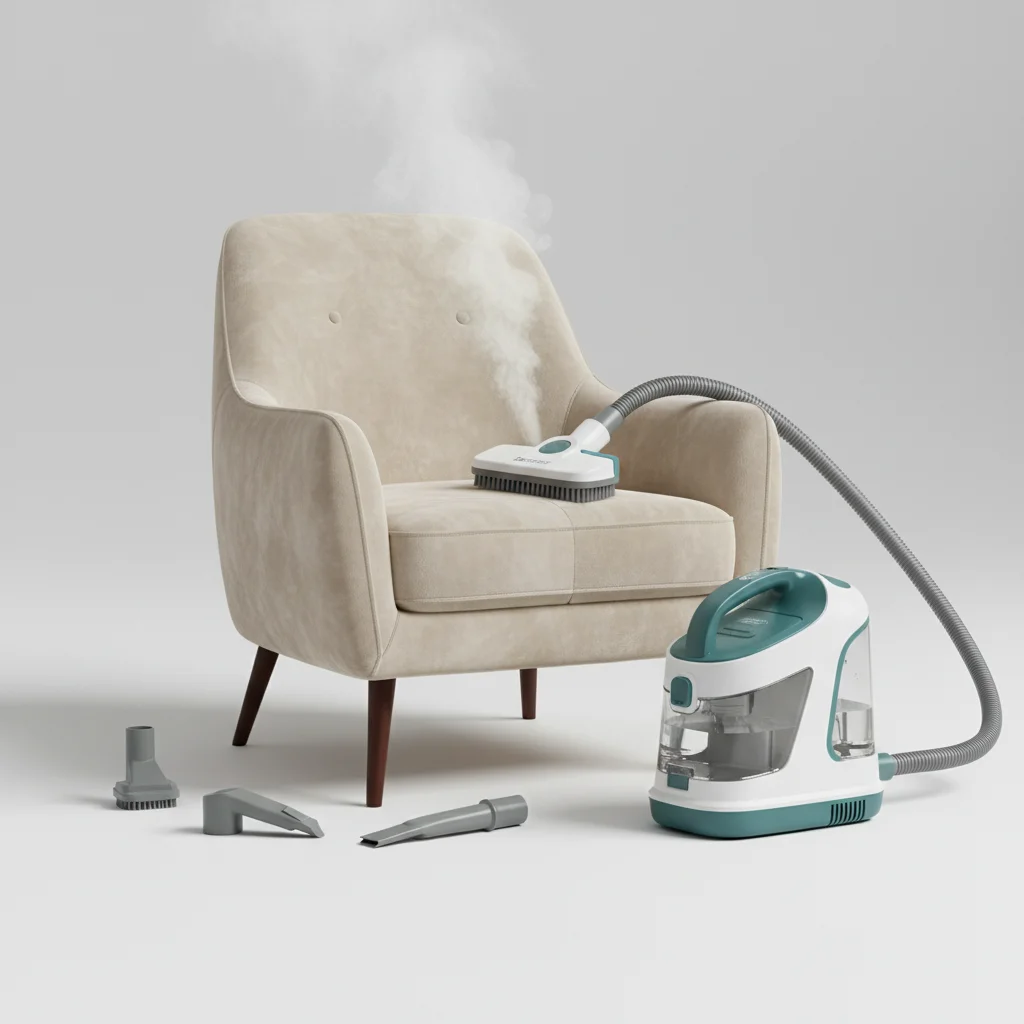
Using a steam cleaner for upholstery can be both safe and highly effective when done correctly. Steam cleaning offers a chemical-free method to deep clean, sanitize, and refresh various upholstered items, from sofas and chairs to car interiors. However, it’s crucial to understand the right techniques and precautions to avoid damage and achieve optimal results.
Steam cleaning works by heating water to a high temperature, producing steam that penetrates fabric fibers, loosening dirt, grime, and allergens. The heat also sanitizes surfaces, killing bacteria, viruses, and dust mites without the need for harsh chemicals. This method is particularly beneficial for households with pets, children, or individuals with allergies, as it leaves no chemical residues.
Understanding Upholstery Fabric Types
Before you begin, identify the fabric type of your upholstery. Most furniture comes with a care tag that indicates the cleaning code: ‘W’ for water-based cleaning, ‘S’ for solvent-based cleaning, ‘WS’ for both, and ‘X’ for vacuum-only. Steam cleaning is generally safe for ‘W’ and ‘WS’ coded fabrics. For ‘S’ or ‘X’ codes, steam cleaning is not recommended and could cause damage like water stains, shrinkage, or discoloration. Always perform a patch test in an inconspicuous area first.
Preparing Your Upholstery for Steam Cleaning
Proper preparation is key to a successful steam cleaning session. Start by thoroughly vacuuming the upholstery to remove loose dirt, dust, and debris. Pay close attention to crevices and seams where particles tend to accumulate. For any visible stains, pre-treat them with a suitable upholstery cleaner, allowing it to sit for the recommended time before steam cleaning. This step helps to break down stubborn spots, making them easier for the steam cleaner to lift.
The Steam Cleaning Process: Step-by-Step
|
Our Picks for the Best Steam Cleaner in 2026
As an Amazon Associate I earn from qualifying purchases.
|
||
| Num | Product | Action |
|---|---|---|
| 1 | McCulloch MC1385 Deluxe Canister Steam Cleaner, 2-Hour Runtime, Chemical-Free, 23 Accessories: Mop Head, Brushes & More - Built for Home, Tile, Carpet, Furniture, & Personal Car Detailing |

|
| 2 | Steam Cleaner, Portable Steamer for Cleaning with 16pcs Accessories, 6-Level Adjustable, 15s Heat-Up, Handheld Steam Cleaner for Home for Tile, Grease, Dirt, Grout, Car Detailing, Green |
|
| 3 | TVD Steam Cleaner, Steamer for Cleaning with 26 Accessories, Steam Cleaner for Home with 5M Extra-Long Power Cord for Home Floor Cleaning, Tile Detailing, Grout, Upholstery. |
|
| 4 | Heavy Duty Steam Cleaner, 1500W High-Temperature Mop with 26 Accessories, 1.4L Portable Tank, Chemical-Free Cleaning for Floors, Tiles, Cars & More, Child Lock for Safety, Easy Operation |
|
| 5 | Steam Cleaner, Steam Cleaner For Home, Handheld Steamer For Cleaning With 21 Accessories, 248 °F High Temperature, Suitable for Grout, Floor. Sofas, Upholstery, White |
|
| 6 | Wagner Spraytech C900054 905e AutoRight Multi-Purpose Steam Cleaner, 12 Accessories Included, Power Steamer for cleaning, Color May Vary |
|
| 7 | Heavy-Duty Steam Cleaner - 1500W Multipurpose Handheld Floor Steamer with 22 Accessories 16ft Cord for Home, Car Detailing, Tile, Grout, Carpet, Wallpaper, Upholstery, Window, Deep Cleaning |
|
| 8 | Amazon Basics Multipurpose Steam Cleaner for Home with 22 Accessories, Chemical-Free Cleaning, 51oz tank, 1500W, White |
|
| 9 | LABIGO 10-in-1 Steam Mop with Detachable Handheld Steamer, 350ml Tank, 10s Heat-Up, 248°F Steam Cleaner, 3-Level Control and Swivel Head for Floors, Carpets, Tiles, BBQ grill Multi-Surface Clean White |
|
| 10 | Steam Cleaner, Powerful Multi-Purpose Portable Steam Cleaner, Removes Dirt and Grease, Suitable for Multiple Uses and Various Floor Surfaces, Includes 23-Piece Accessory Kit, 16.4-Foot Power Cord |
|
Once your upholstery is prepped and you’ve confirmed its compatibility, fill your steam cleaner with distilled water to prevent mineral buildup. Attach the appropriate upholstery nozzle or brush attachment. Begin steaming in small, manageable sections, moving the nozzle slowly and steadily across the fabric. Over-saturating the fabric can lead to mildew or prolonged drying times, so use short bursts of steam and blot with a clean, dry microfiber cloth as you go. Overlap your passes slightly to ensure even coverage. For heavily soiled areas, you may need to make multiple passes.
- Always perform a patch test on an inconspicuous area.
- Vacuum upholstery thoroughly before steaming.
- Use distilled water in your steam cleaner.
- Avoid over-saturating the fabric.
- Allow ample drying time after cleaning.
Post-Cleaning Care and Drying
After steam cleaning, it’s essential to allow the upholstery to dry completely to prevent mildew and odors. Open windows, use fans, or run a dehumidifier to improve air circulation and speed up the drying process. Avoid sitting on or using the furniture until it is fully dry, which can take several hours depending on humidity levels and fabric thickness. Once dry, a final vacuuming can help fluff up the fibers and remove any remaining loosened dirt particles.
For those looking for a versatile steam cleaner that handles upholstery with ease, consider models with specialized attachments and adjustable steam settings.These features allow for precise control over steam output, which is crucial for delicate fabrics. Additionally, a lightweight and portable design can make maneuvering around furniture much simpler.
Maintaining Upholstery Cleanliness
Regular maintenance can extend the life of your upholstery and reduce the need for frequent deep cleaning. Vacuum your upholstered furniture weekly to remove surface dirt and prevent it from settling into the fibers. Address spills immediately by blotting them with a clean cloth. For a deeper clean every few months, a steam cleaner can be an invaluable tool, keeping your home fresh and hygienic.Investing in a quality steam cleaner ensures you have a powerful and chemical-free solution for maintaining a pristine home environment.

This is exactly what I needed for my allergies! Knowing that the steam kills dust mites and sanitizes without leaving any chemical residues is a huge relief. I’ve used it on my armchair and curtains, and I can already feel a difference in the air quality. So glad I invested in one.
I used my new steam cleaner on my dining chairs and it worked really well on the food spills. The part about understanding fabric types was super helpful, I checked all my tags first. My only minor complaint is that it took a bit longer to dry than I expected, but the results were worth it.
I was so hesitant to try a steam cleaner on my velvet sofa, but after reading about the chemical-free method, I decided to go for it. This thing is a game-changer! It lifted old pet stains that nothing else touched and left the fabric feeling so fresh. Definitely recommend for anyone with furry friends.
I bought a handheld steam cleaner specifically for my car interior, especially the seats. It did a decent job on some surface dirt, and I appreciate that it kills bacteria without chemicals. However, for really set-in grime, it didn’t quite get everything out. Maybe I need a more powerful model or a different attachment.